CURRICULUM
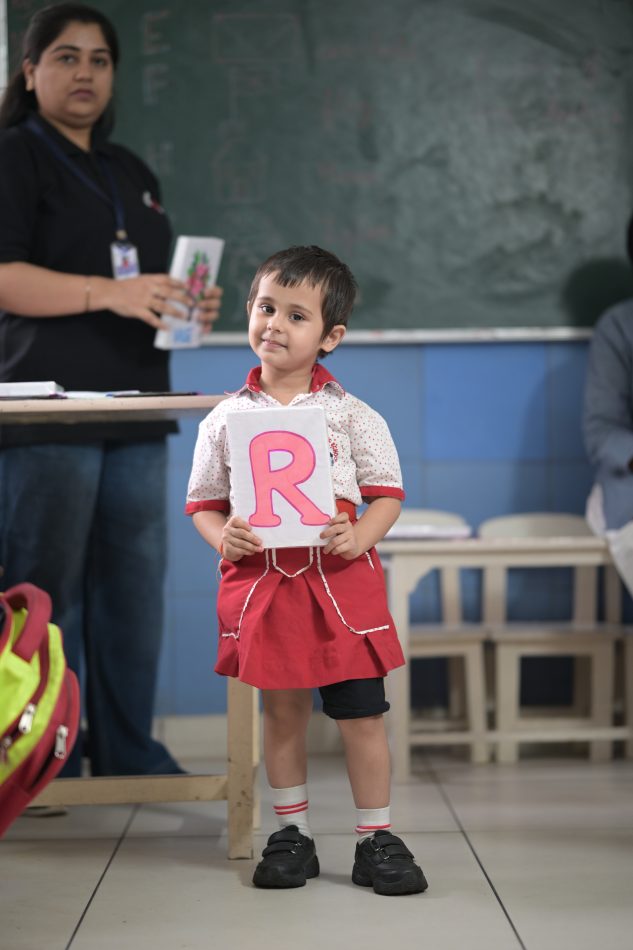
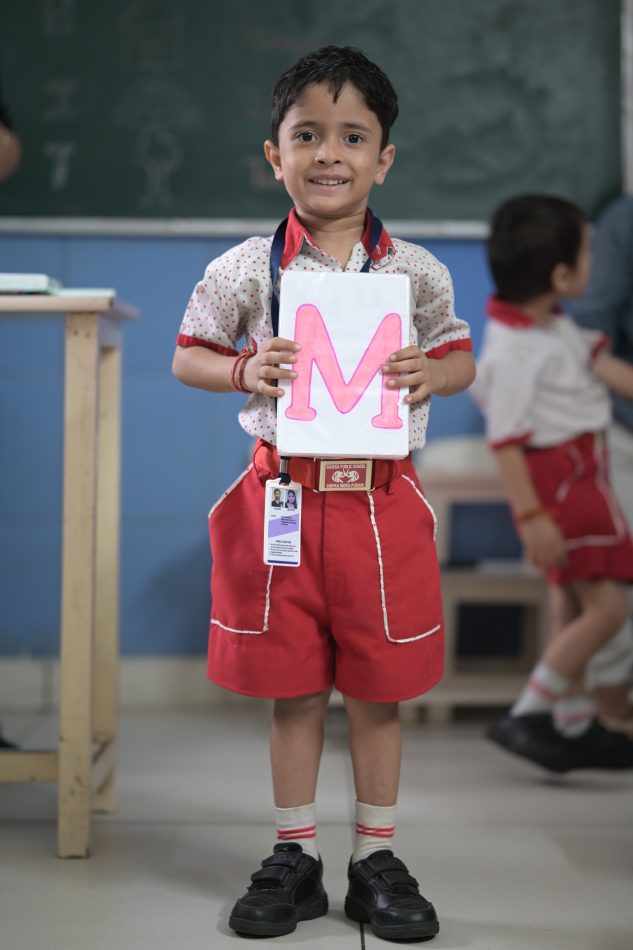
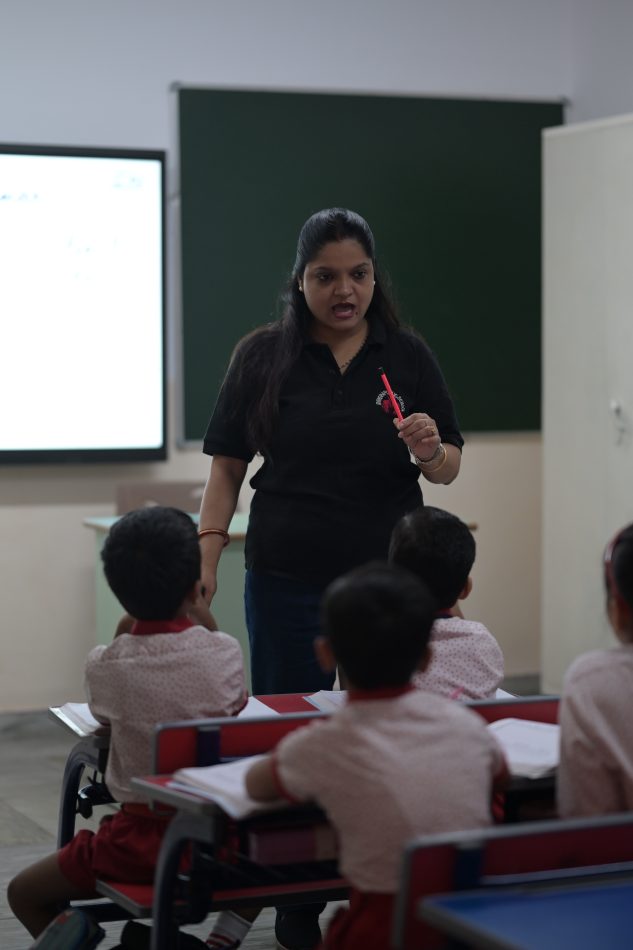
Our curriculum is dynamic and is continuously evolving with a child-centric approach. It is designed to encourage children to discover, improve, and innovate through meaningful exploration. We provide a safe, stimulating, and nurturing environment that promotes, confidence and independence.
- Art and Music
- Dance
- Karate
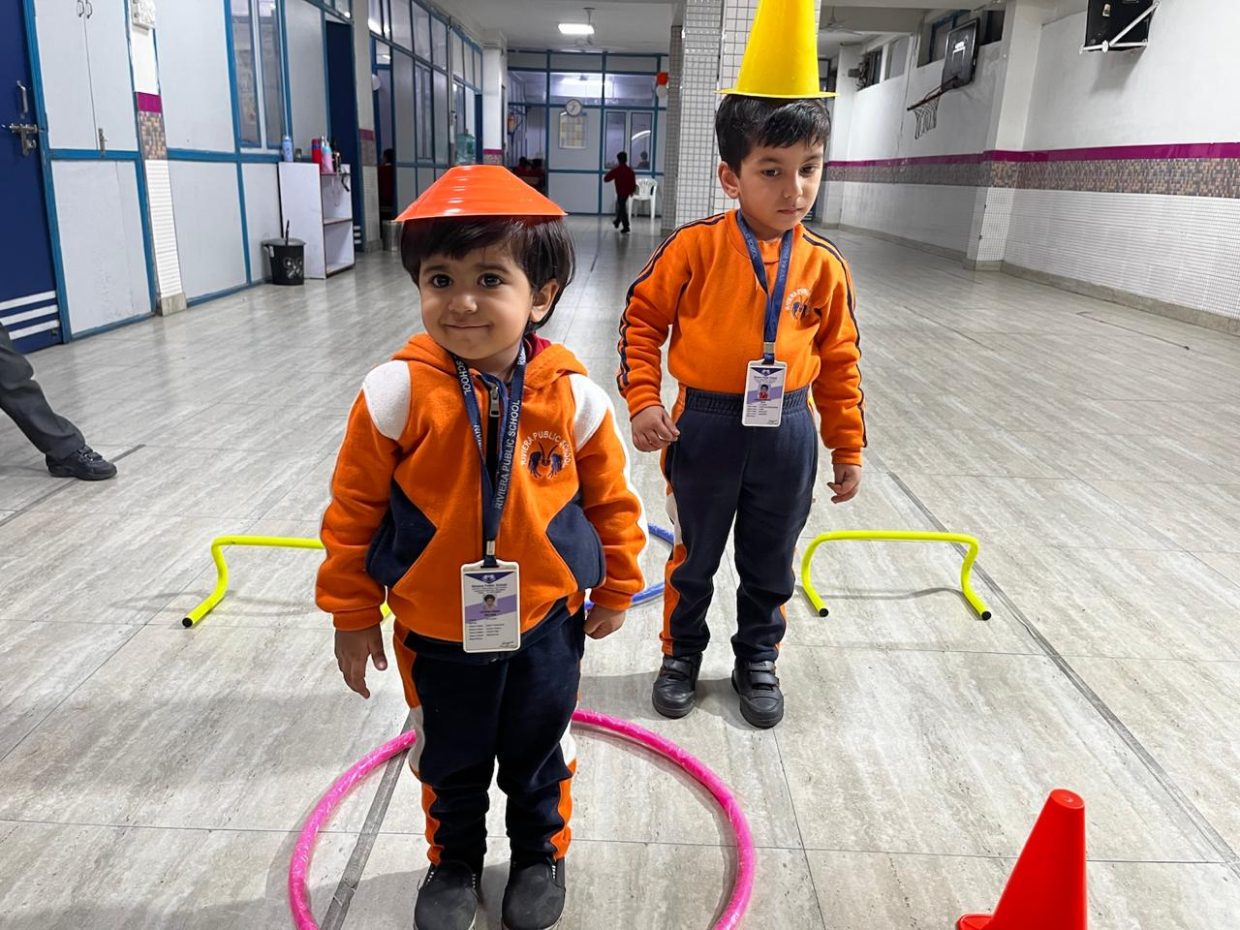
- Sports Activites
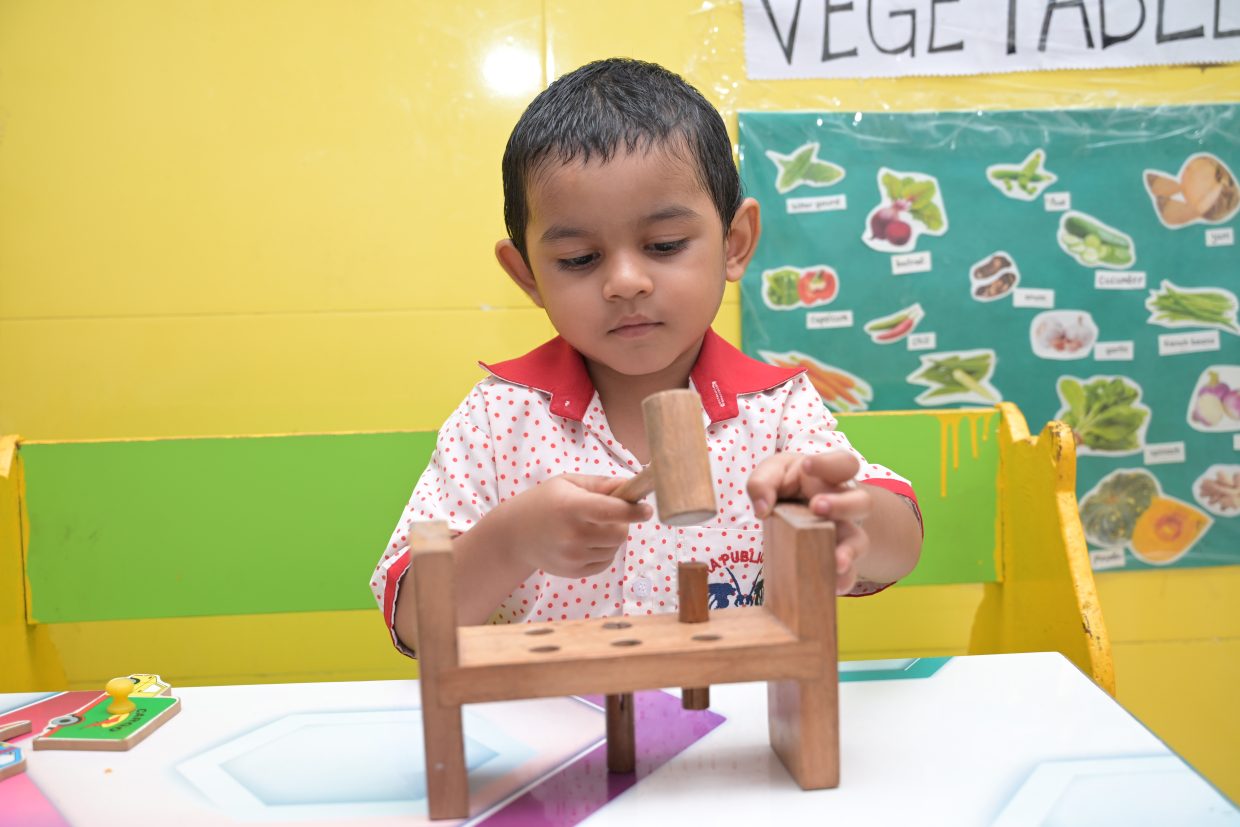
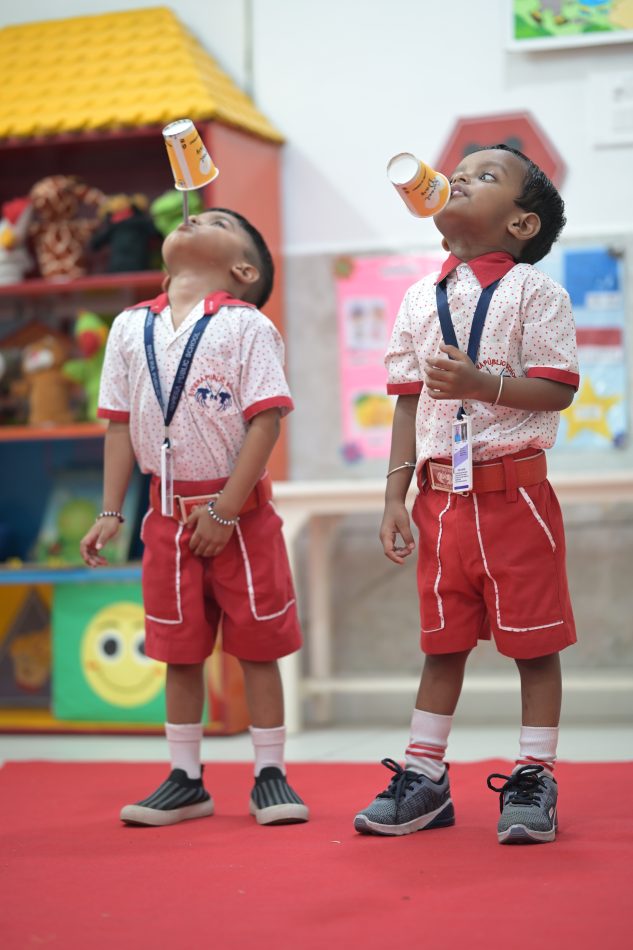
Activities to enhance balance, coordination, and body control
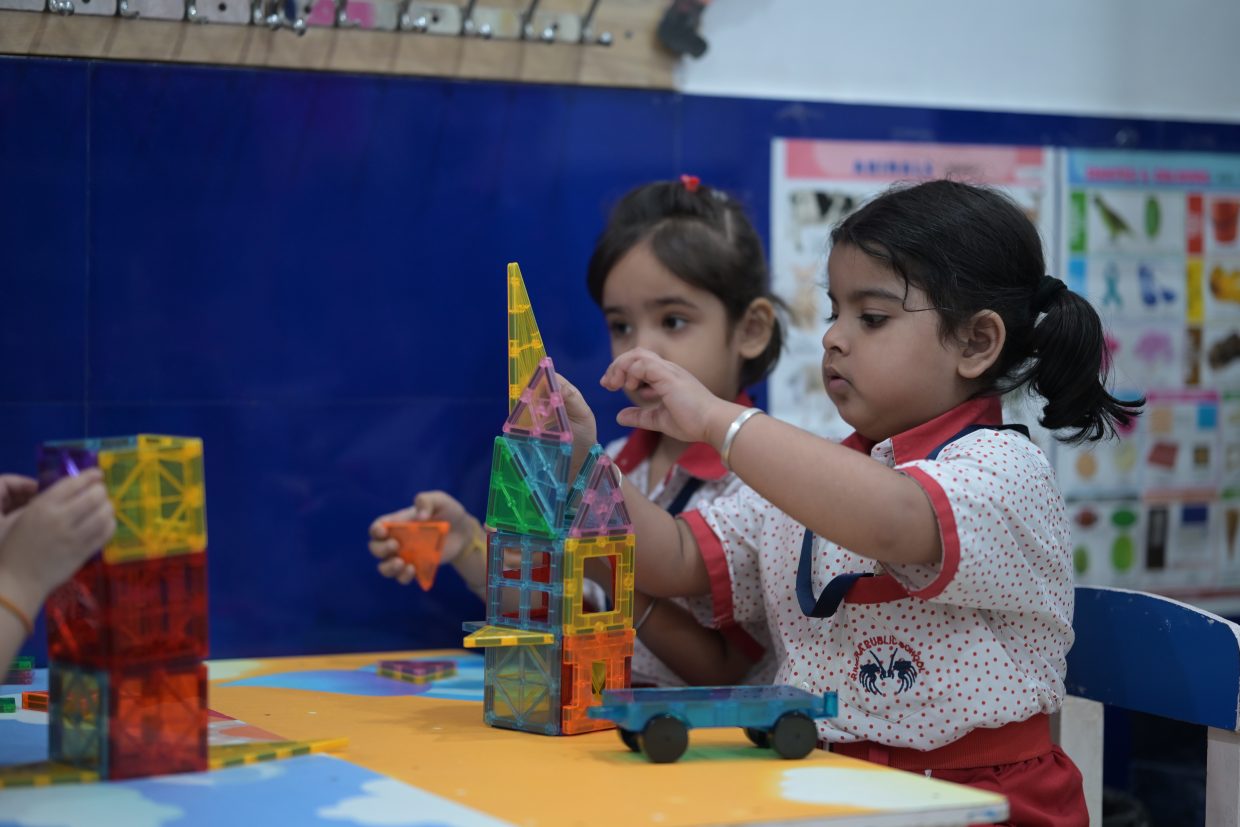
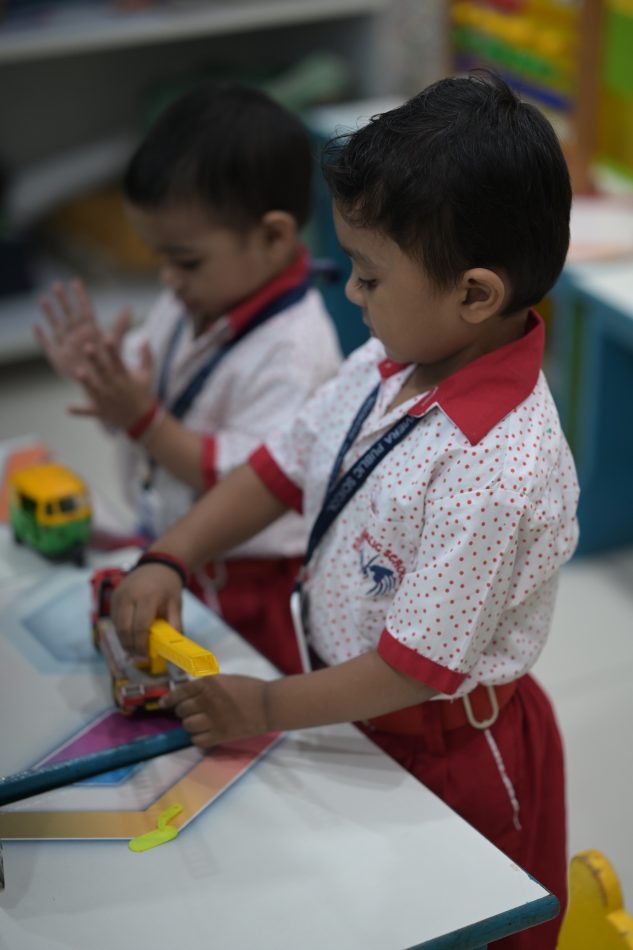
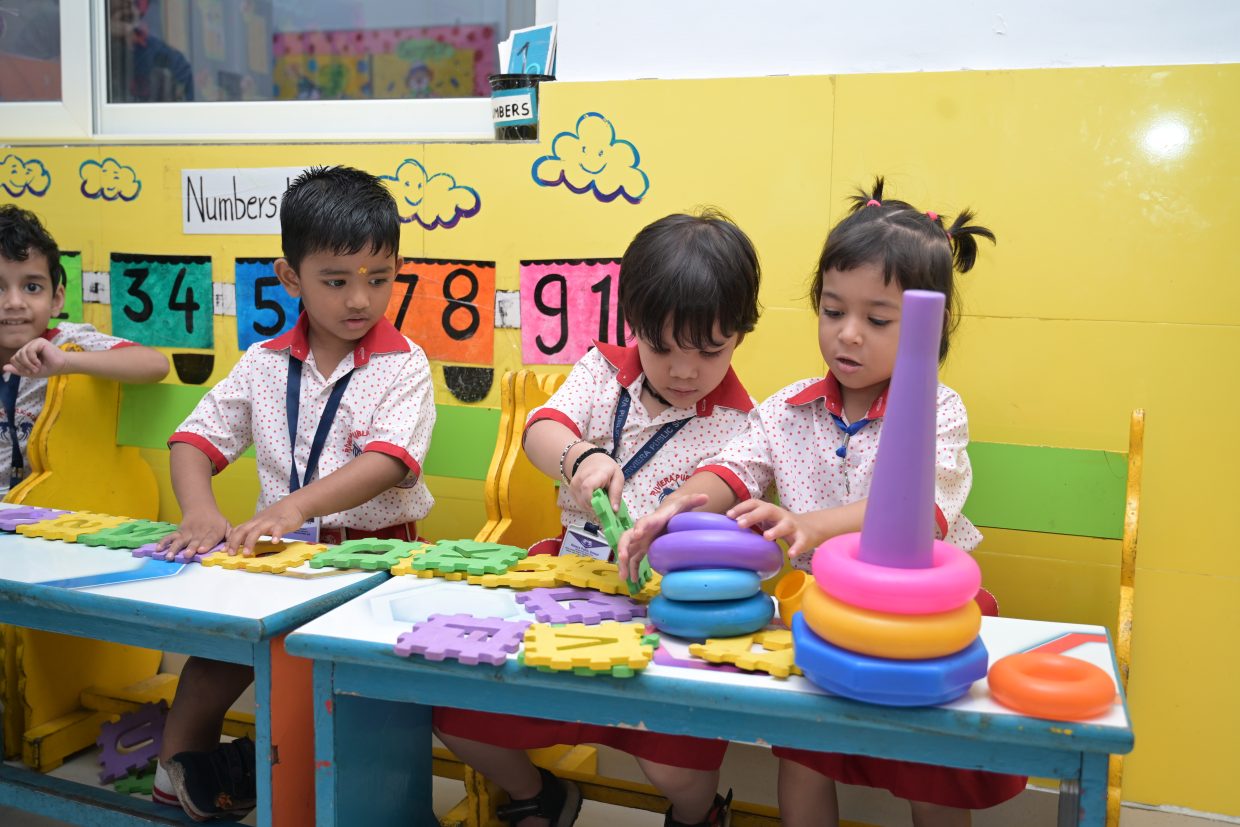
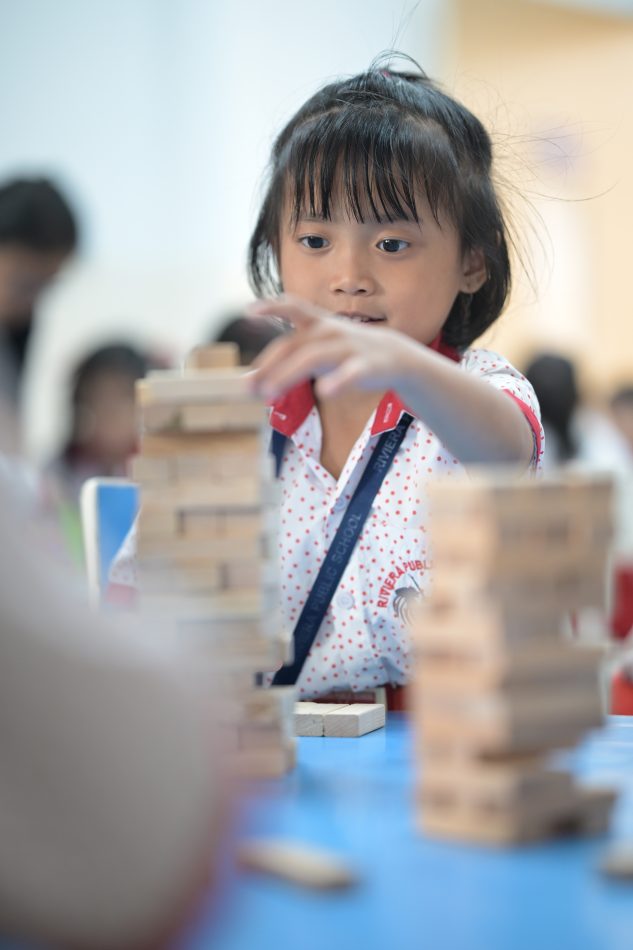
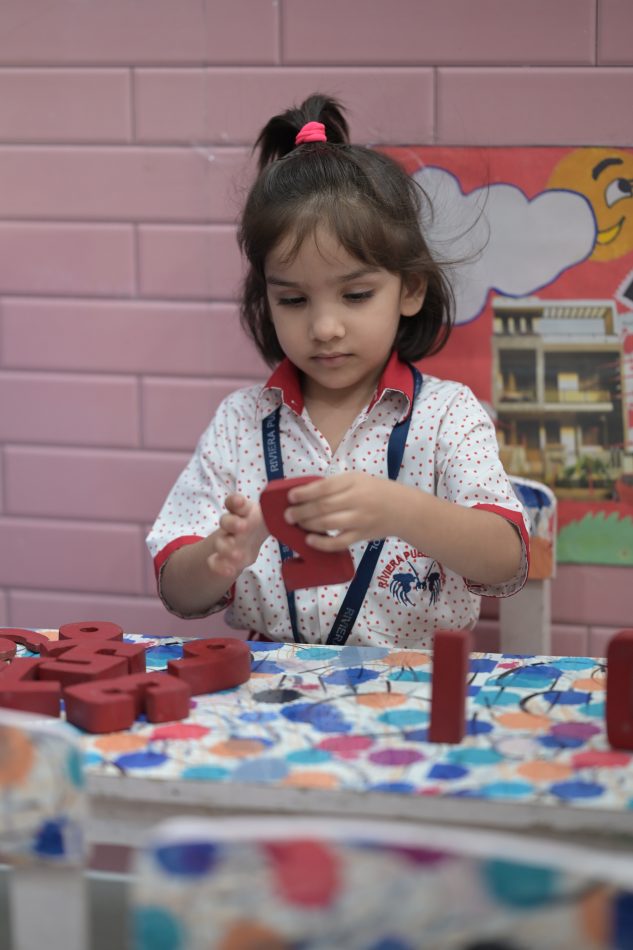
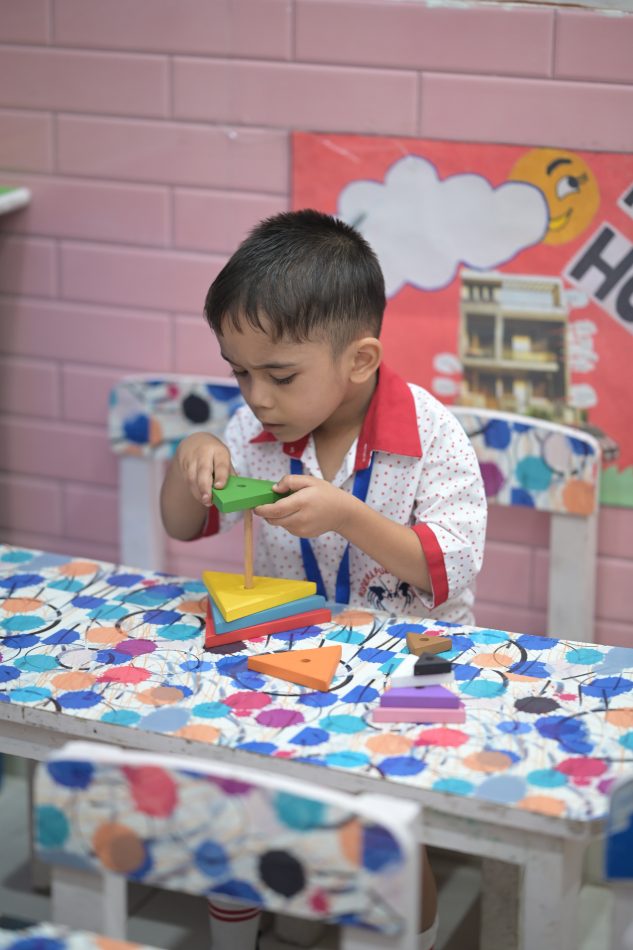
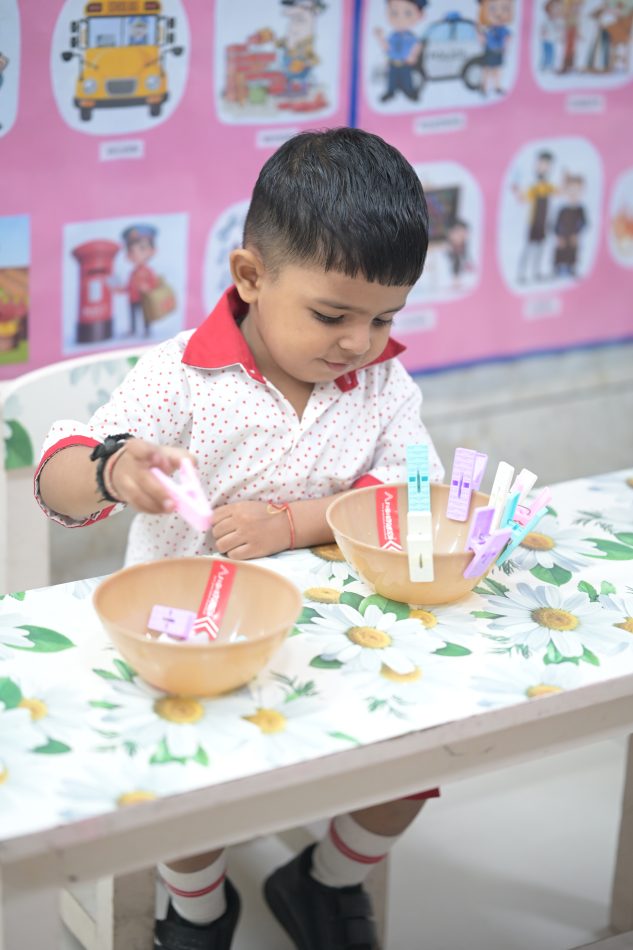
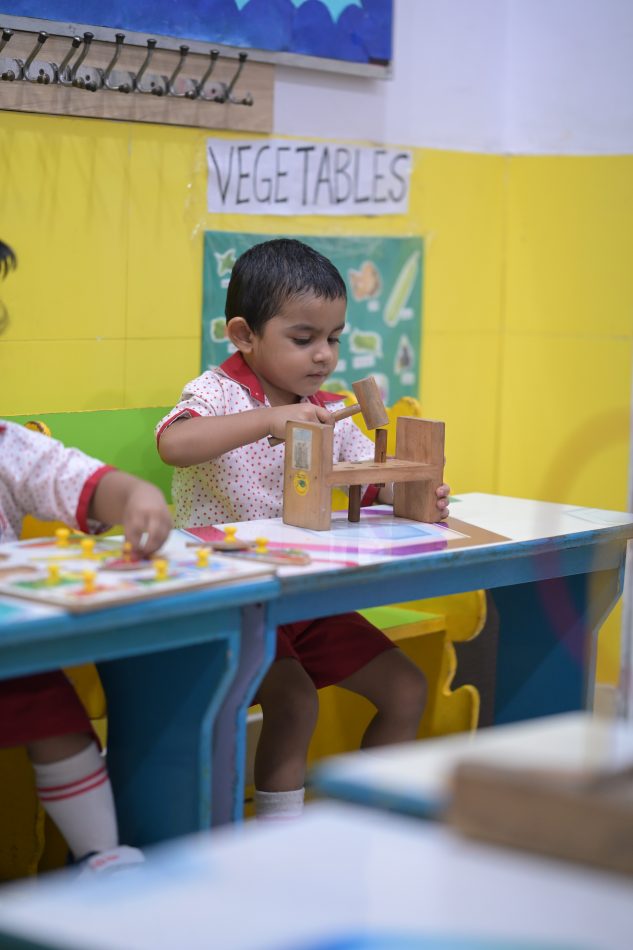
Motor development depends on neural and muscular maturation. The child achieves greater control on gross motor skill before he/she can manage control on fine motor skill.
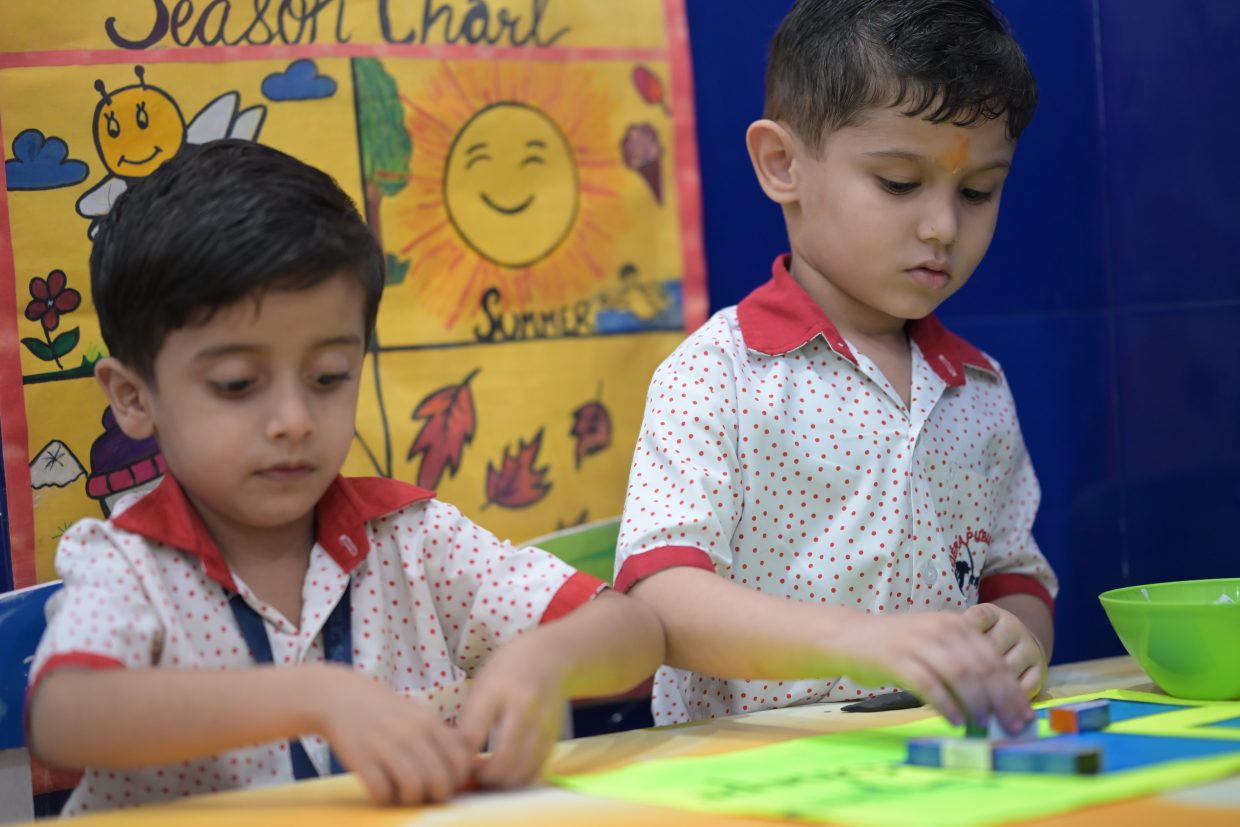
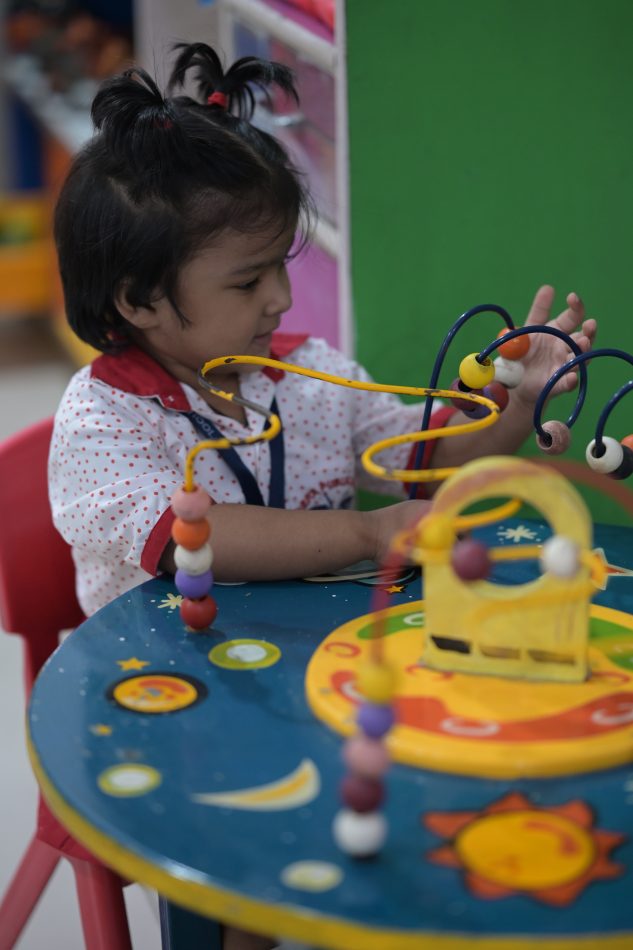
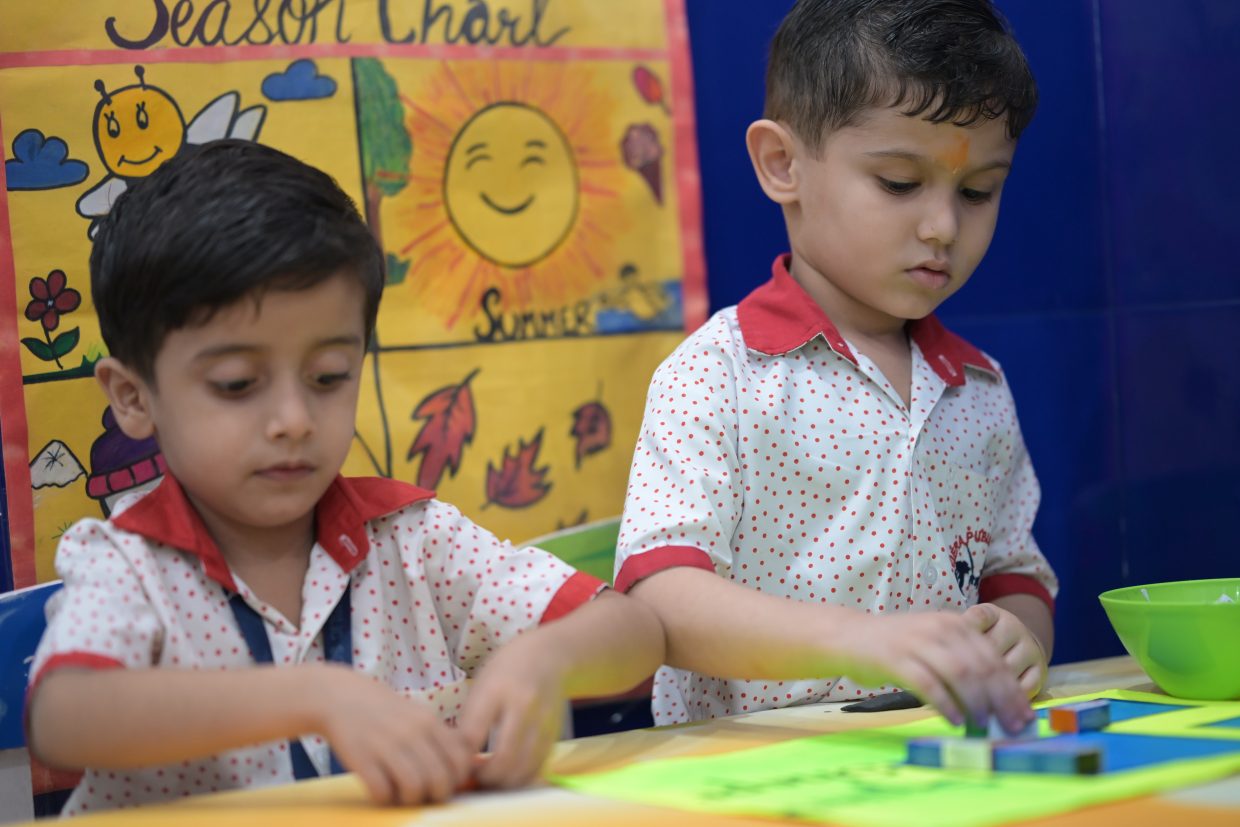
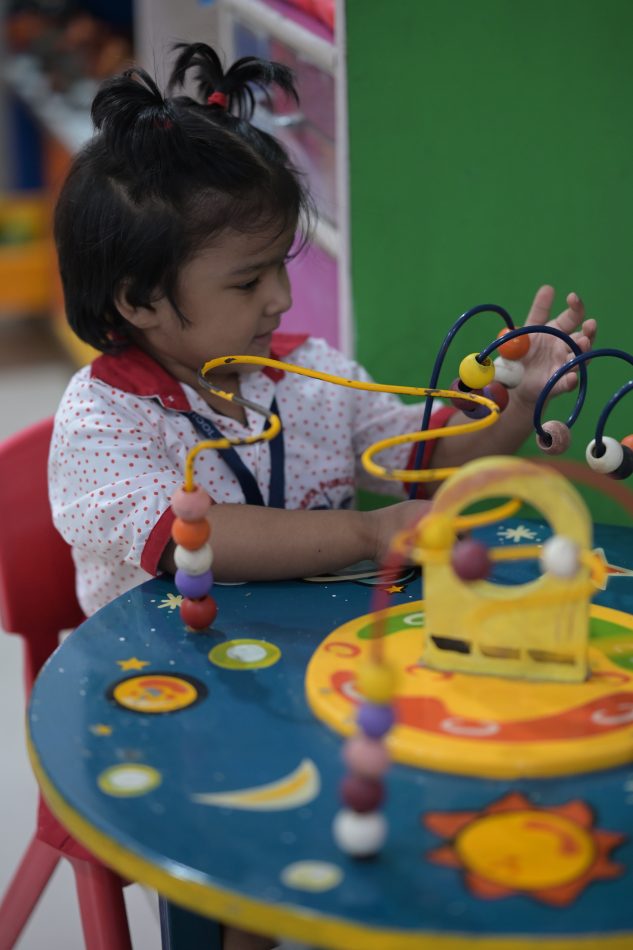
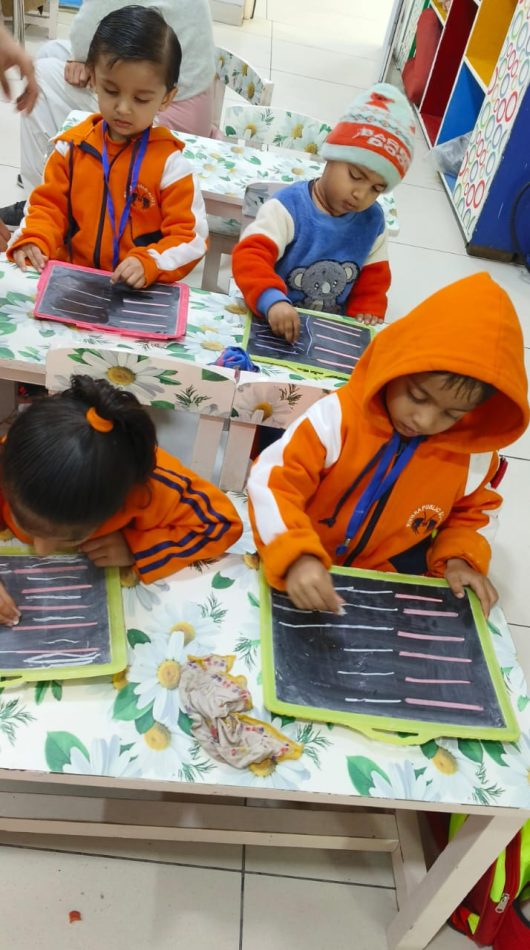
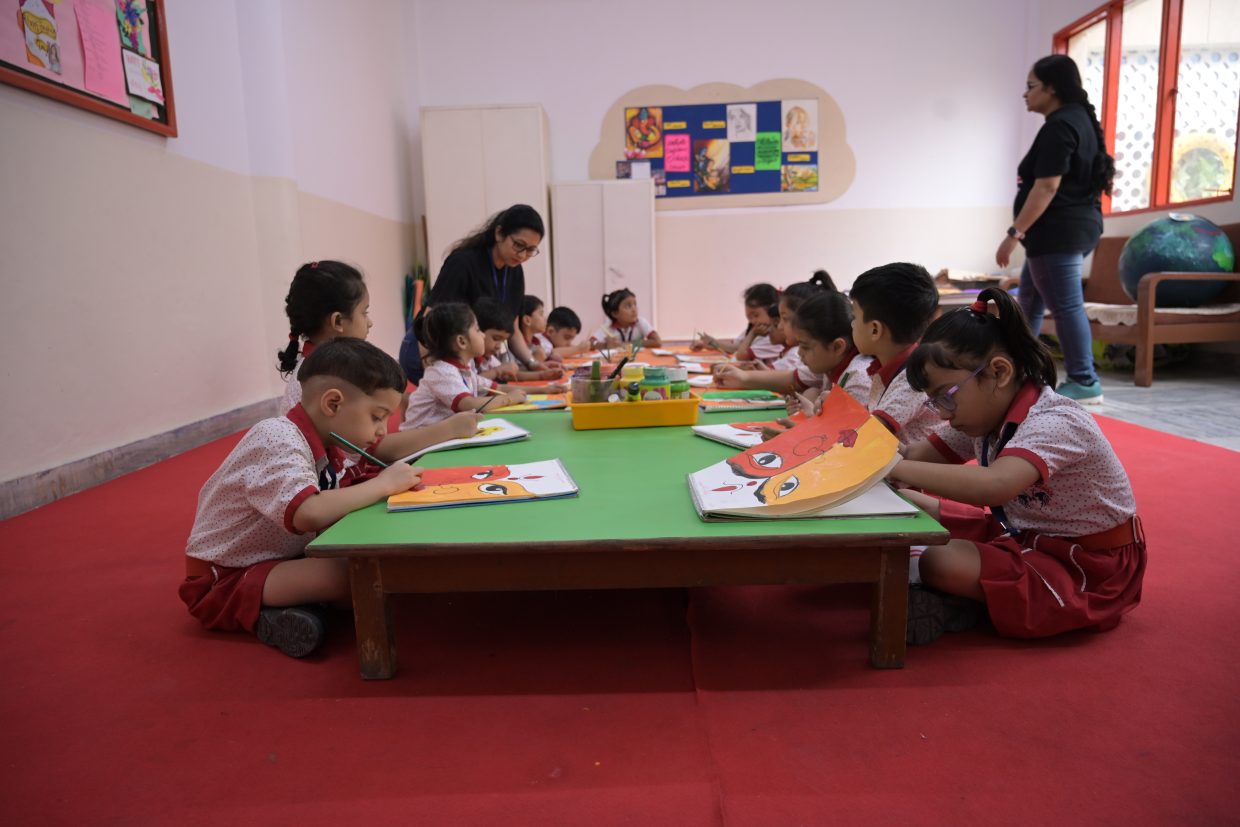
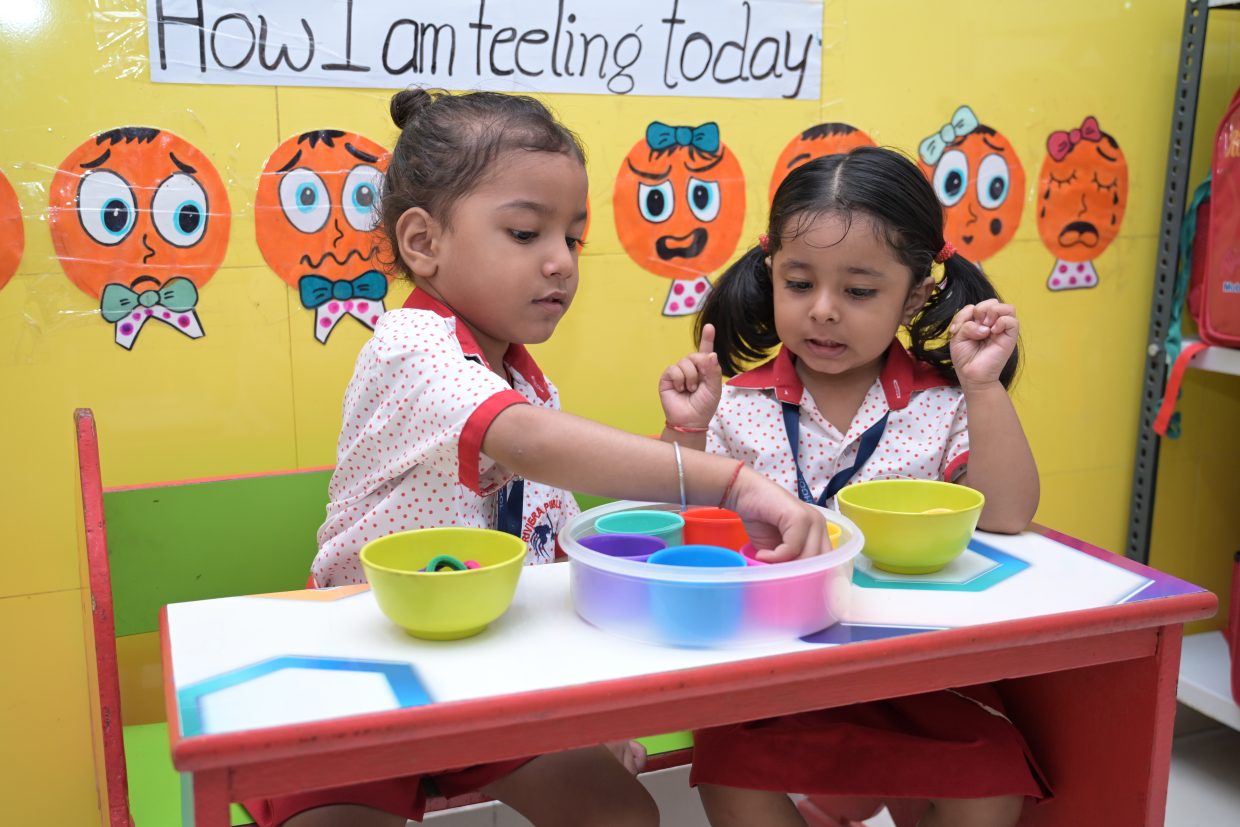
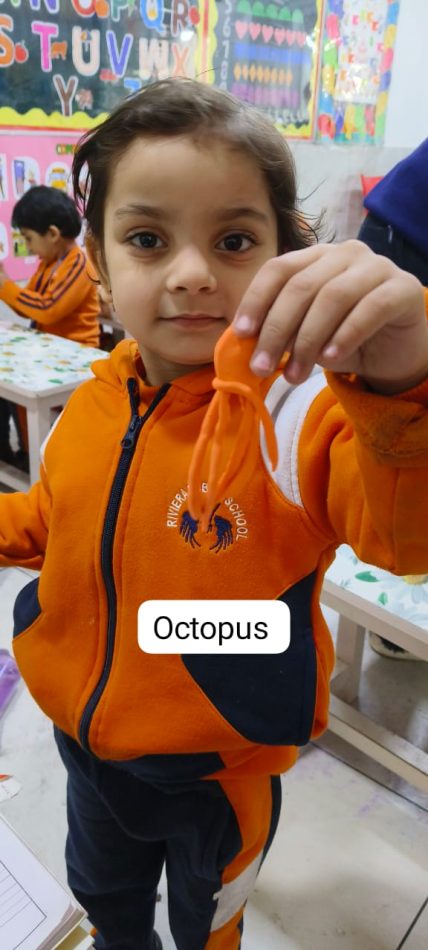
Colouring, pasting, threading beads, spraying, and block printing
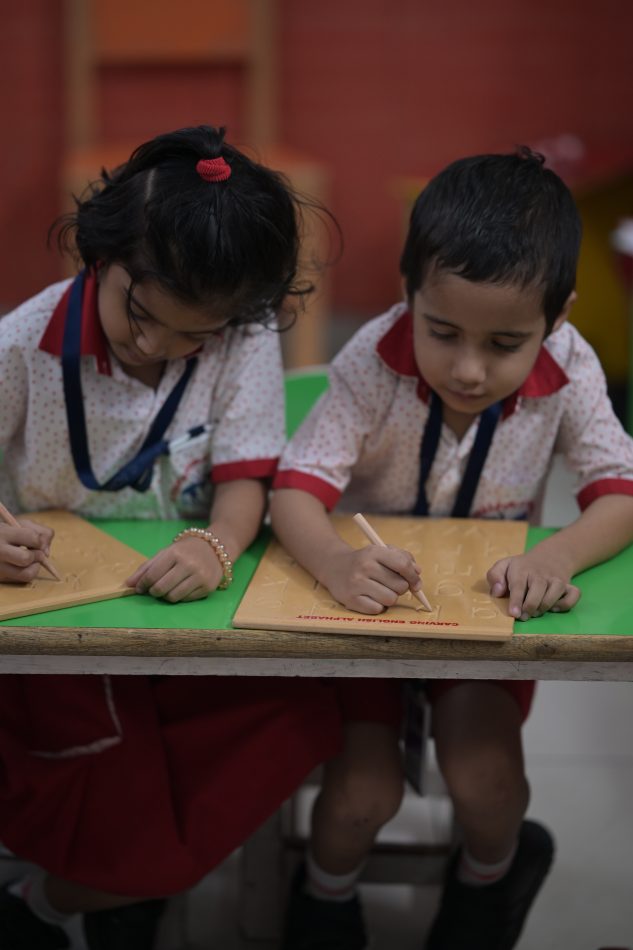
The early childhood stage is the ideal stage for development of motor skills. The development of these skills is important not only for later schooling but also for later activities as an adult.
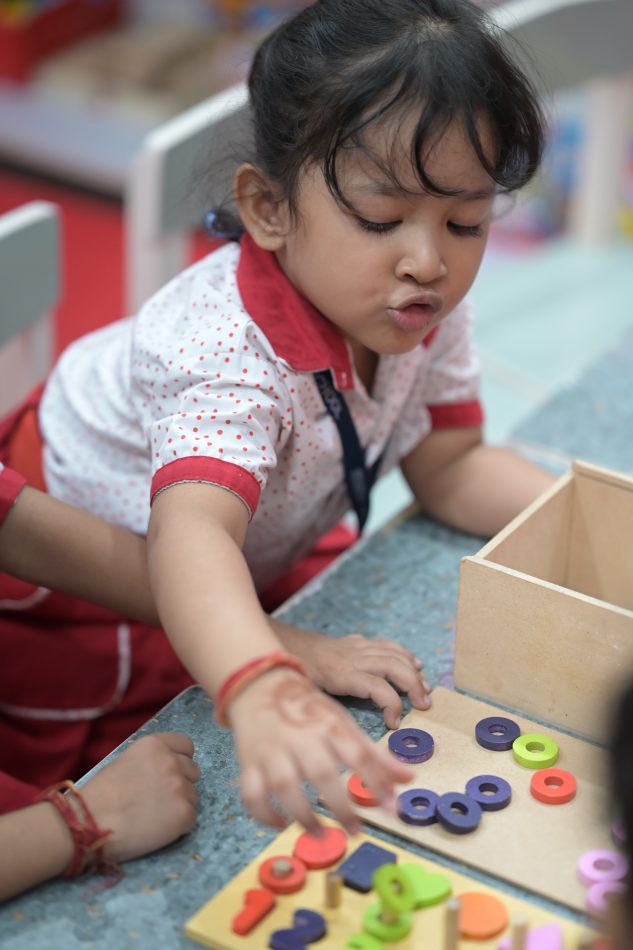
- Develop finger muscles
- Improve eye , hand and finger coordination
- Foster power of creative expression
- Increase observation
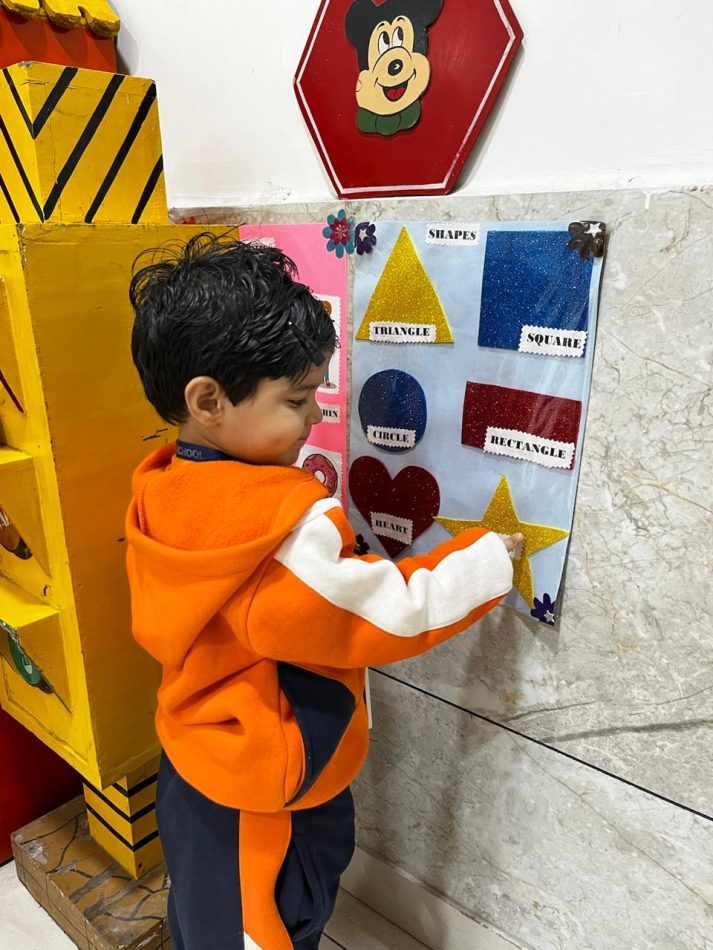
- Enable children to classify between two or more sets
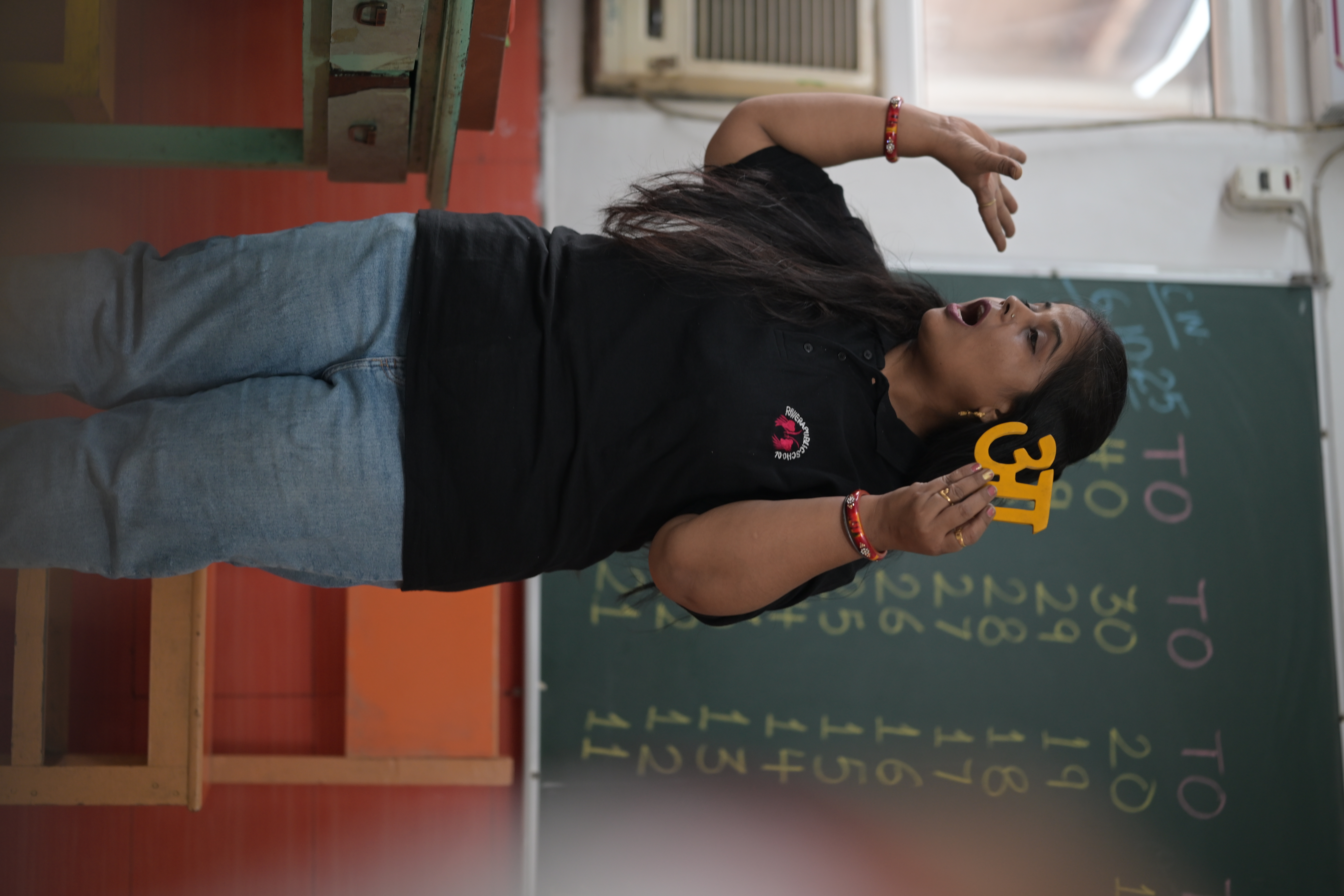
Strengthening verbal and non-verbal communication
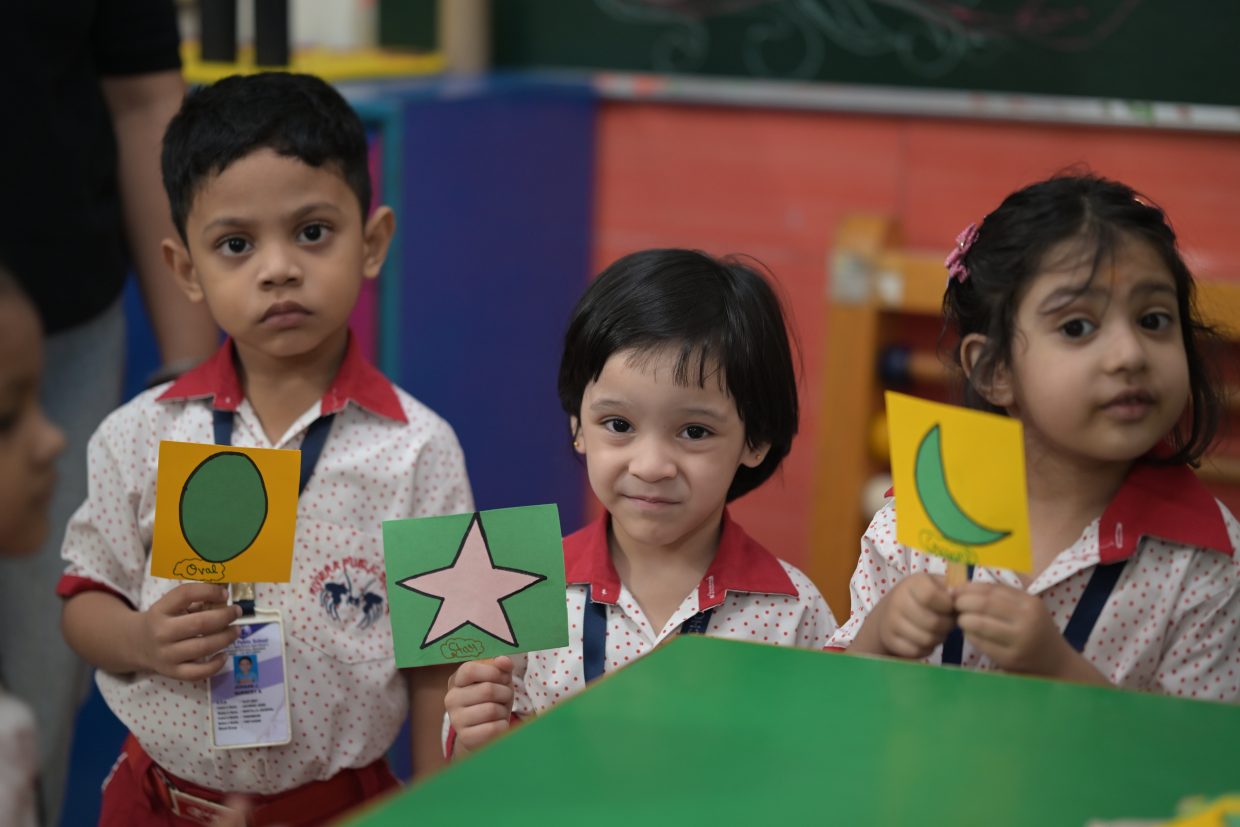
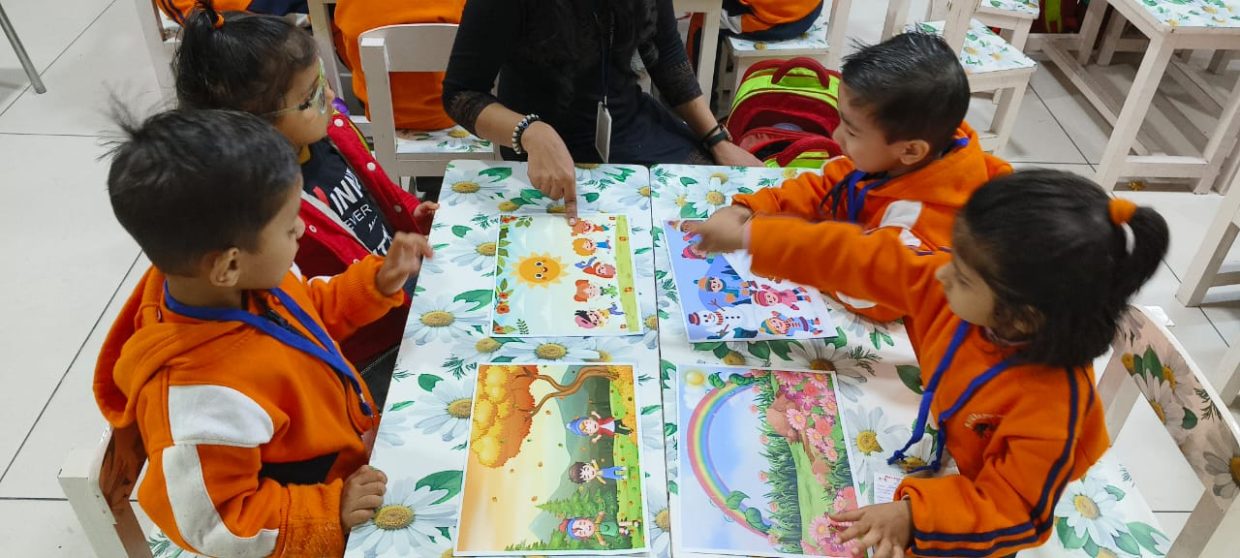
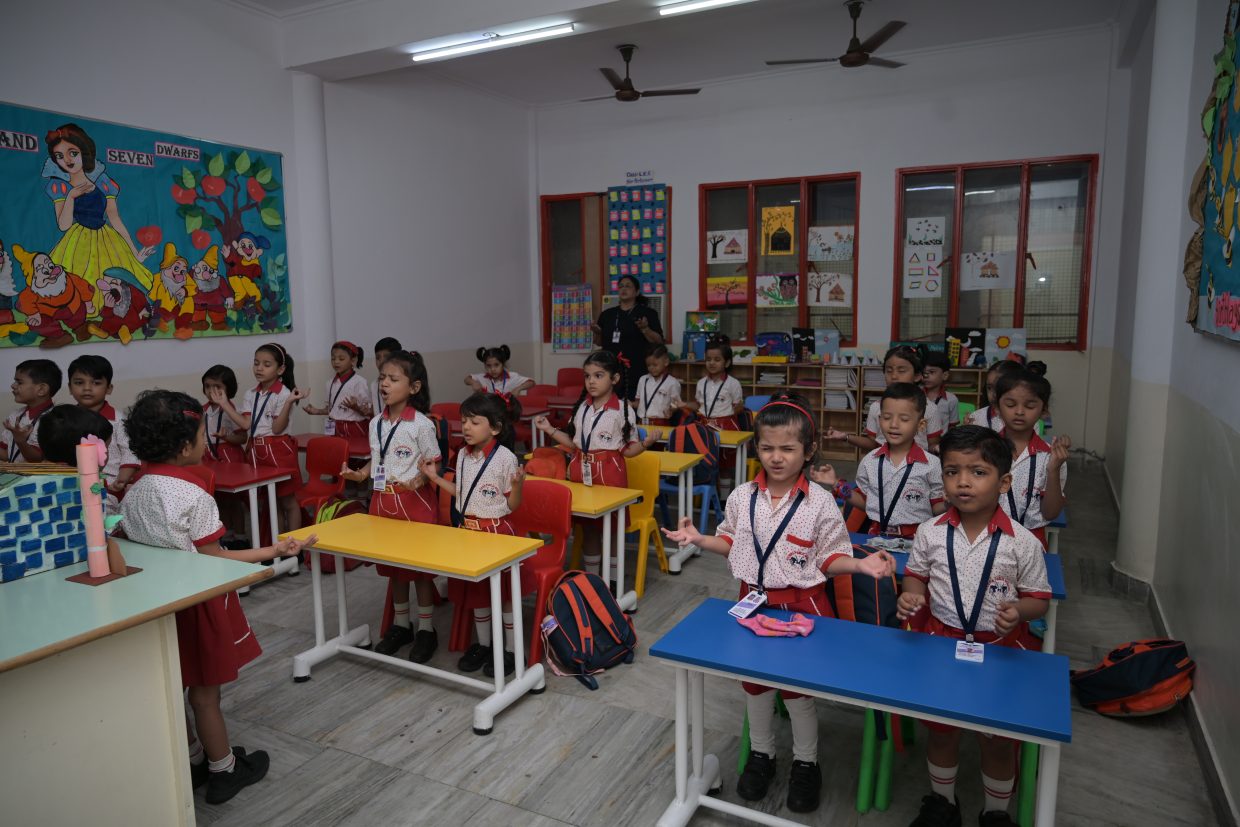
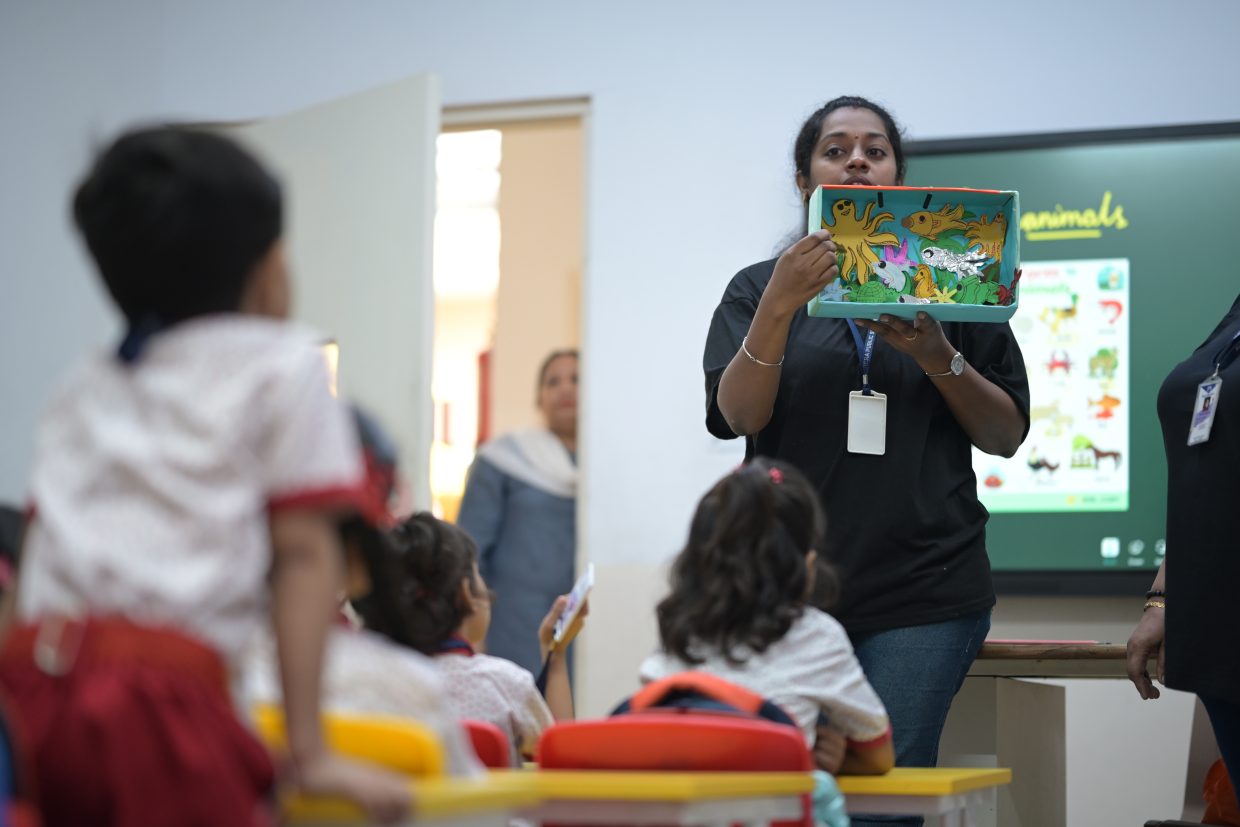
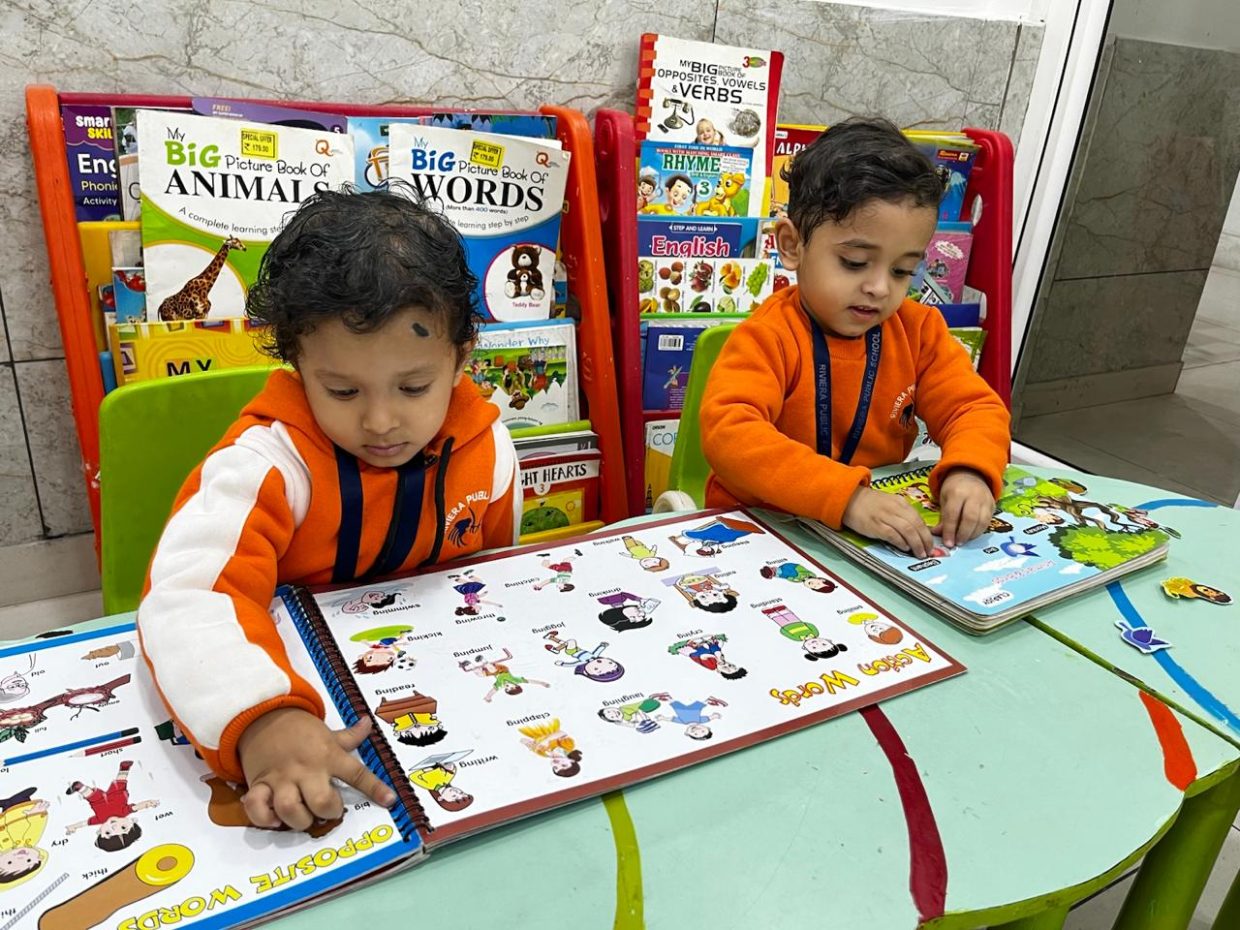
Language is built through conversation-based sessions focused on listening and speaking. By listening to simple conversations and stories, learners naturally absorb pronunciation and sentence patterns. We conduct Storytelling sessions , puppet shows, interaction on pictorial book reading help them express ideas by retelling stories, while recitation improves fluency, rhythm, spontaneity , clarity and confidence.
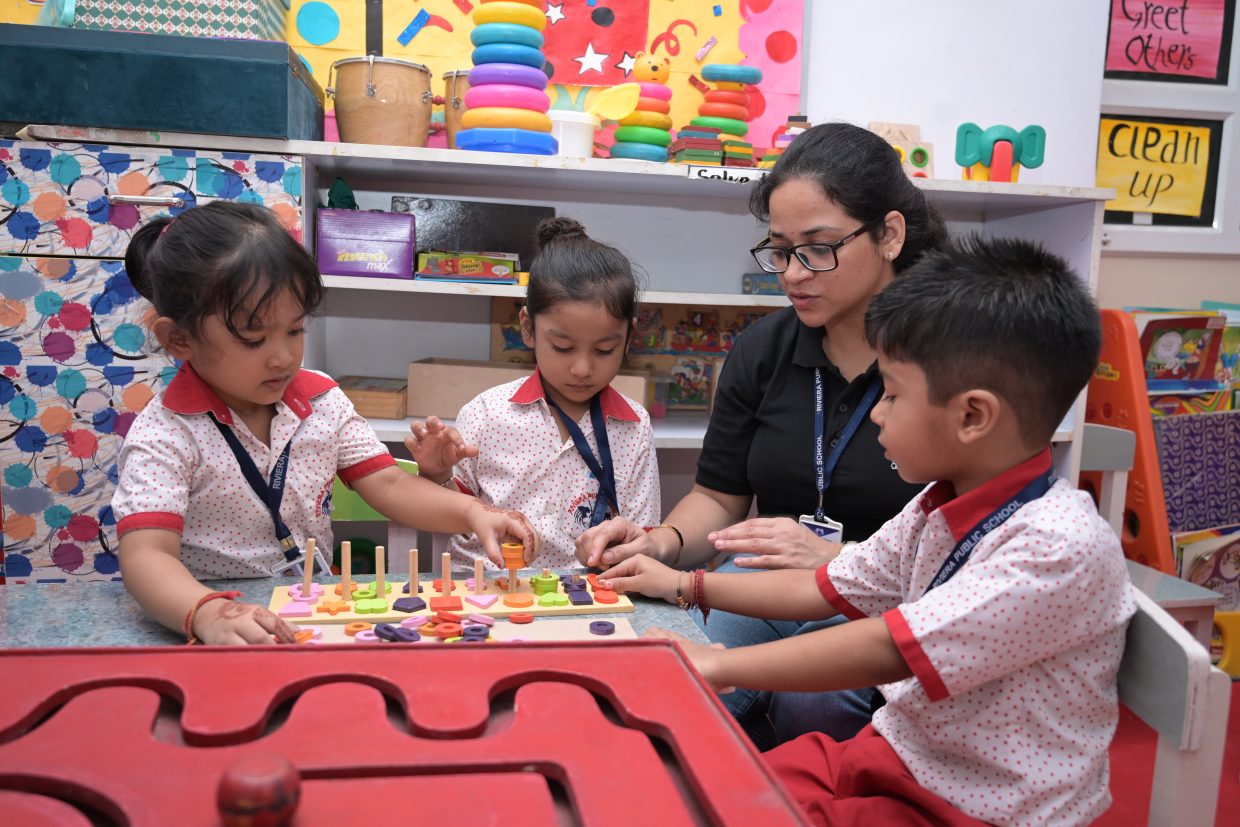
Encourages reasoning, logic and problem-solving and experiences for stimulation of five senses
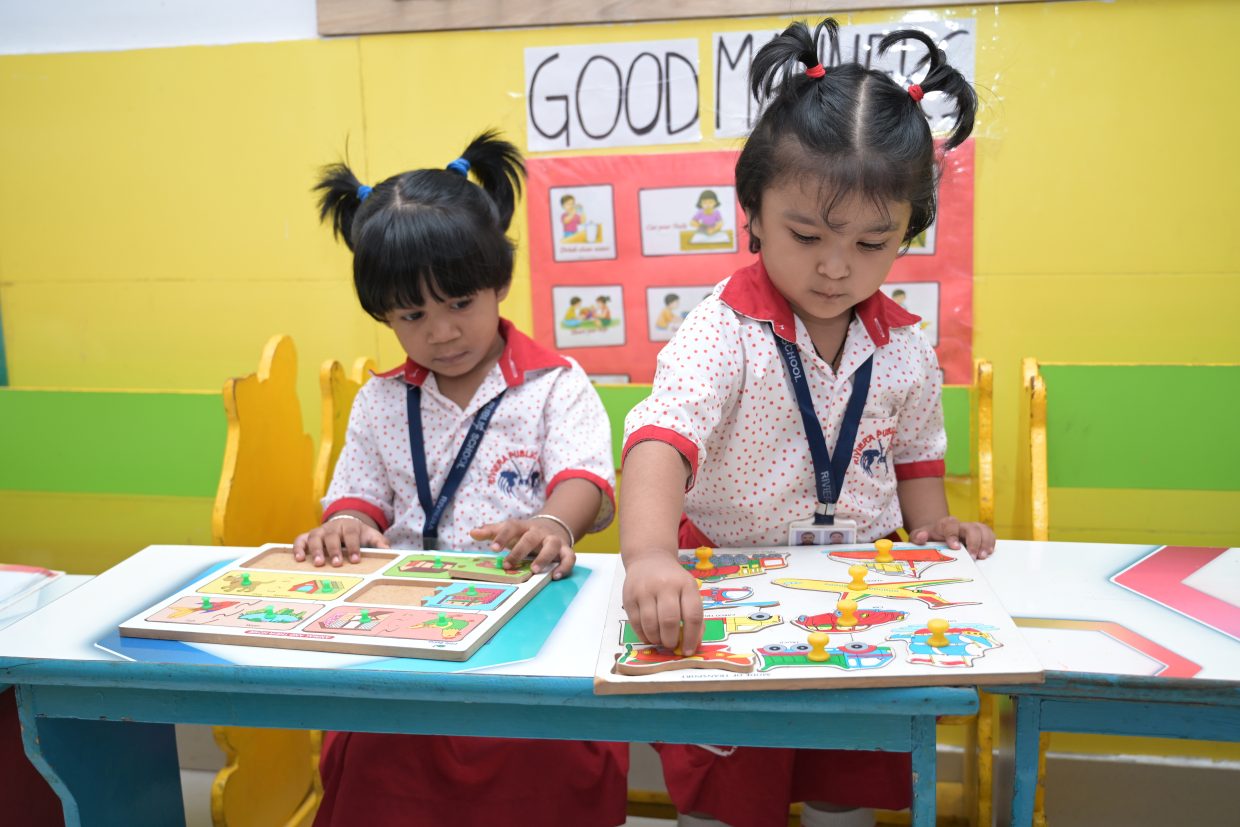
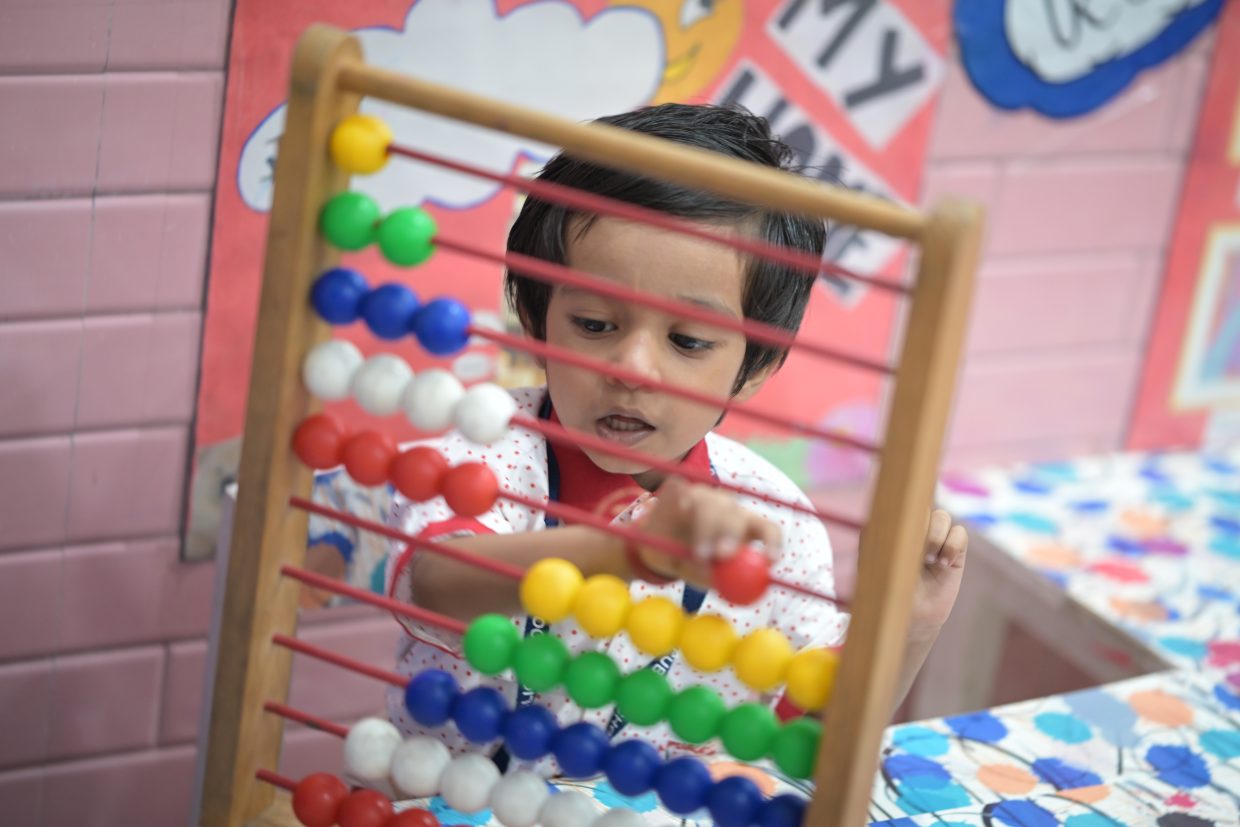
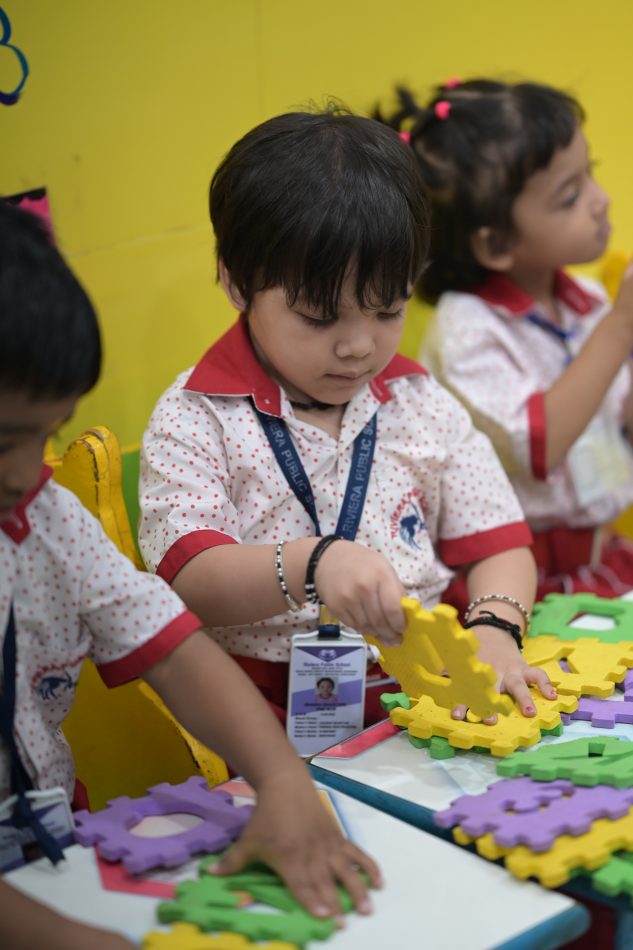
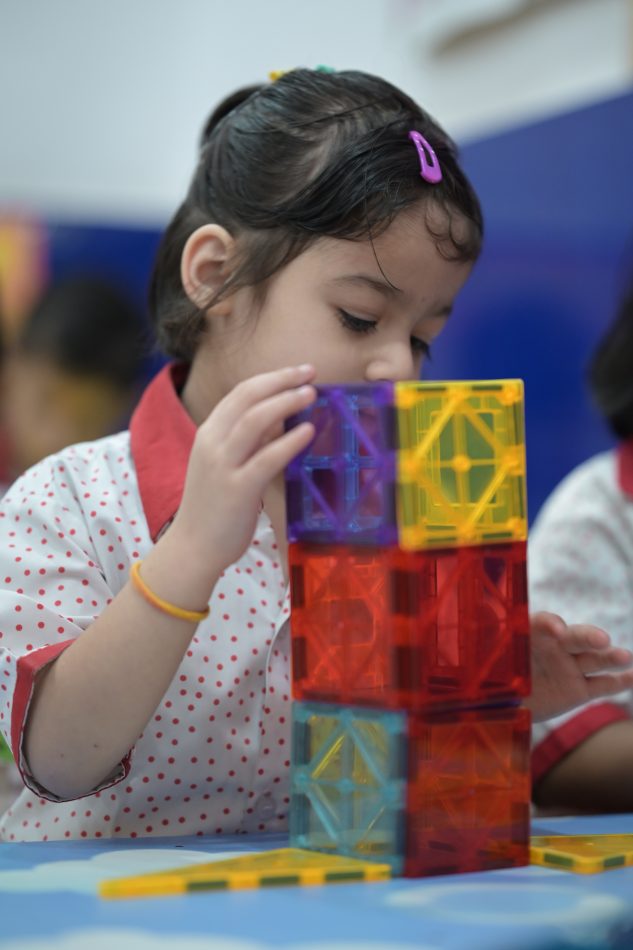
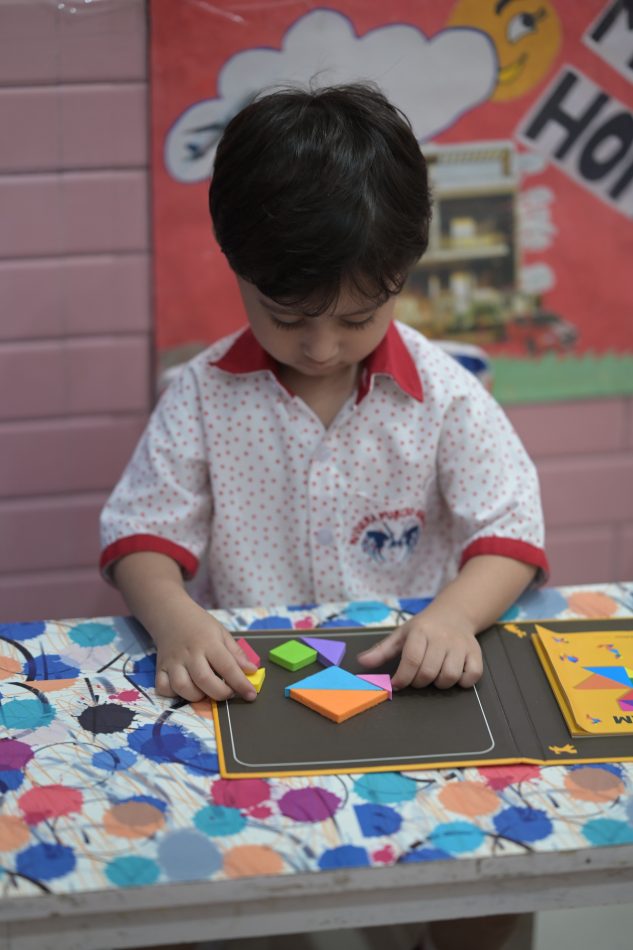
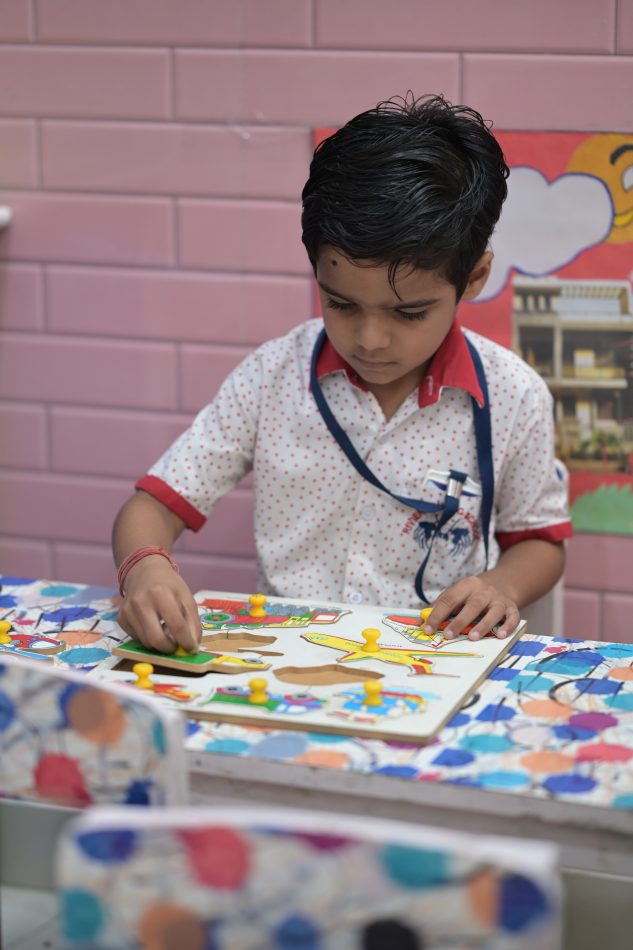
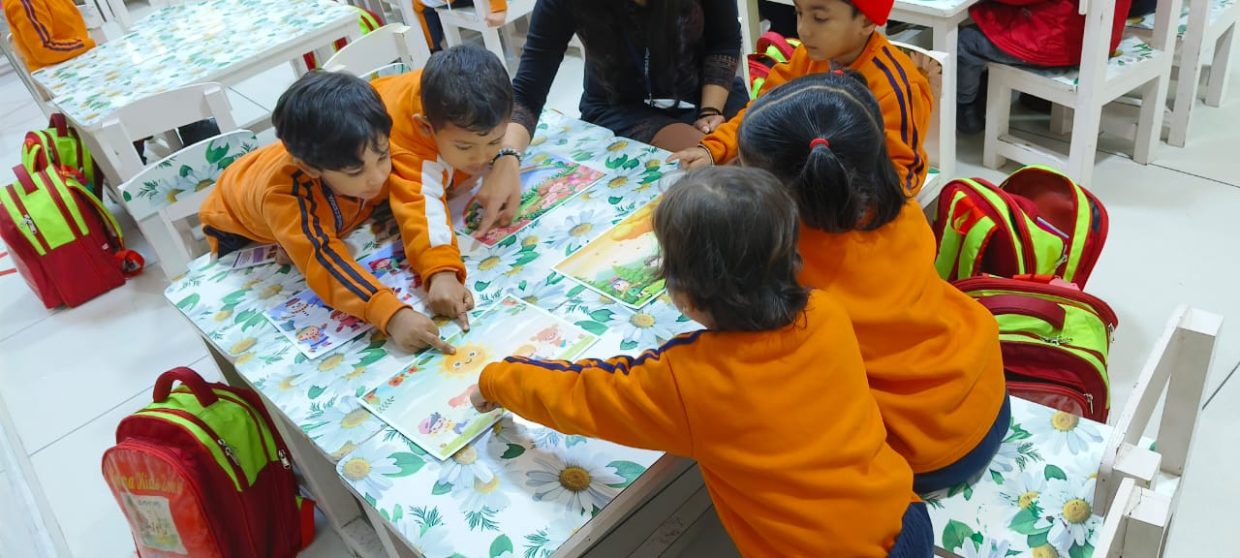
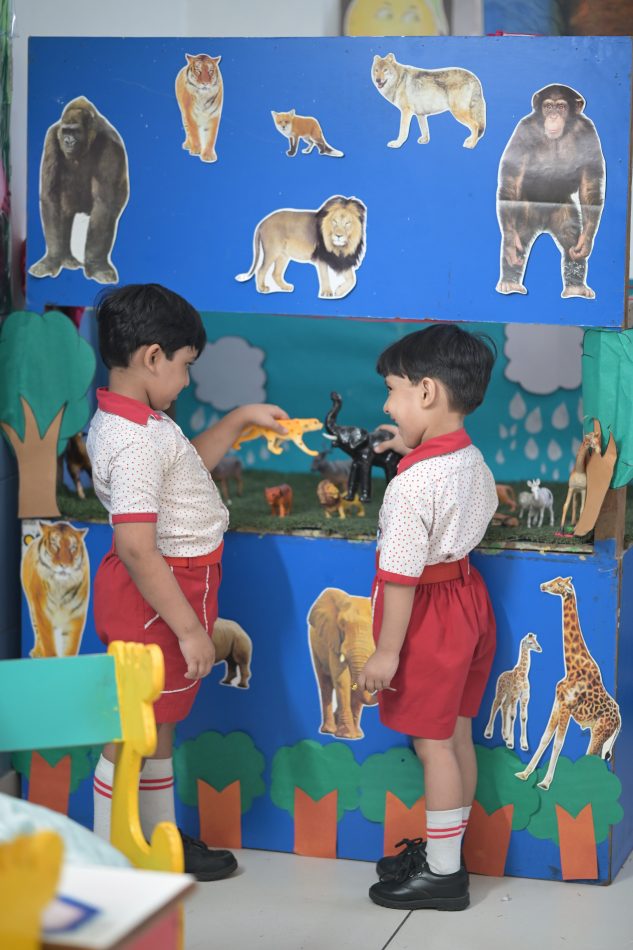
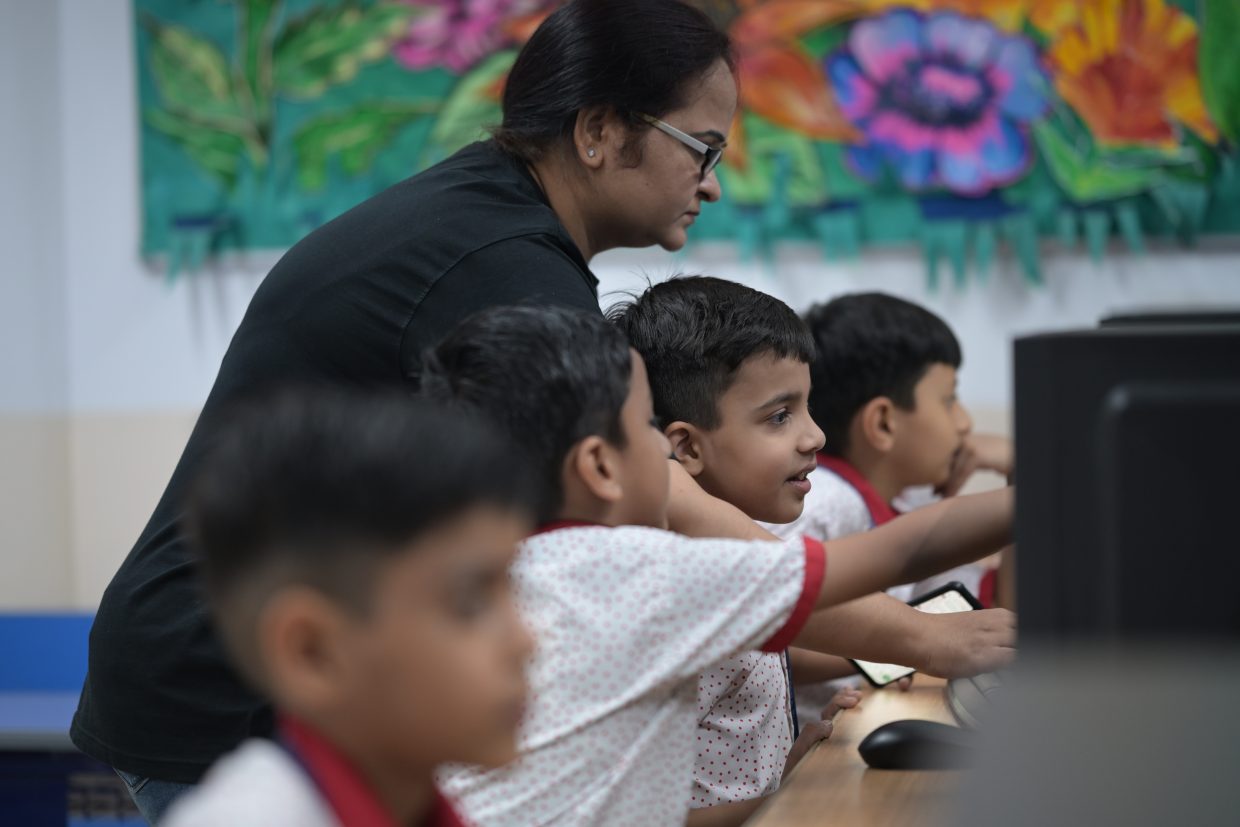
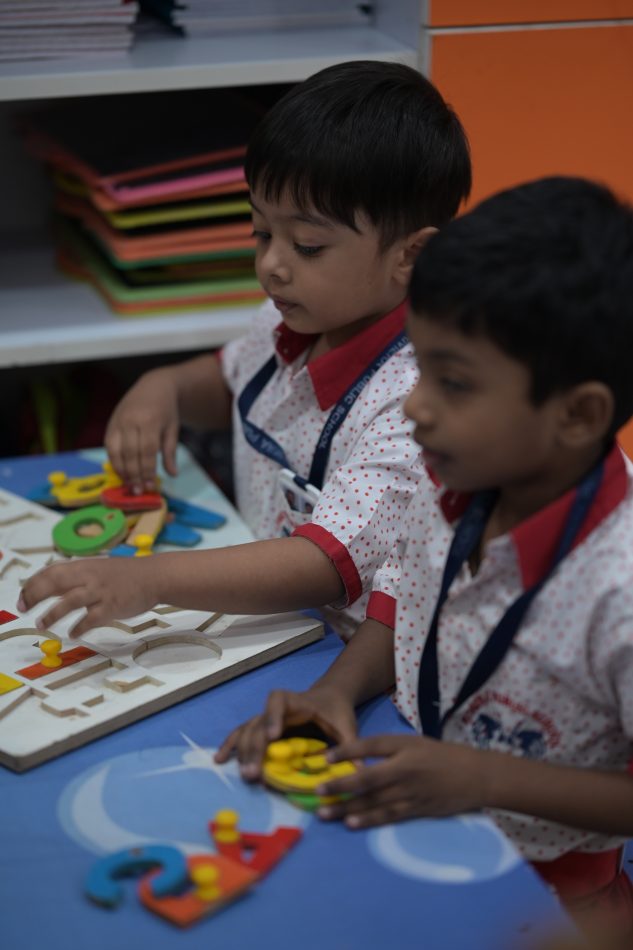
Cognitive skills are the mental processes that help an individual understand and interact with the environment. These skills include problem solving, such as solving simple puzzles, and demonstrating an understanding of cause-and-effect relationships.
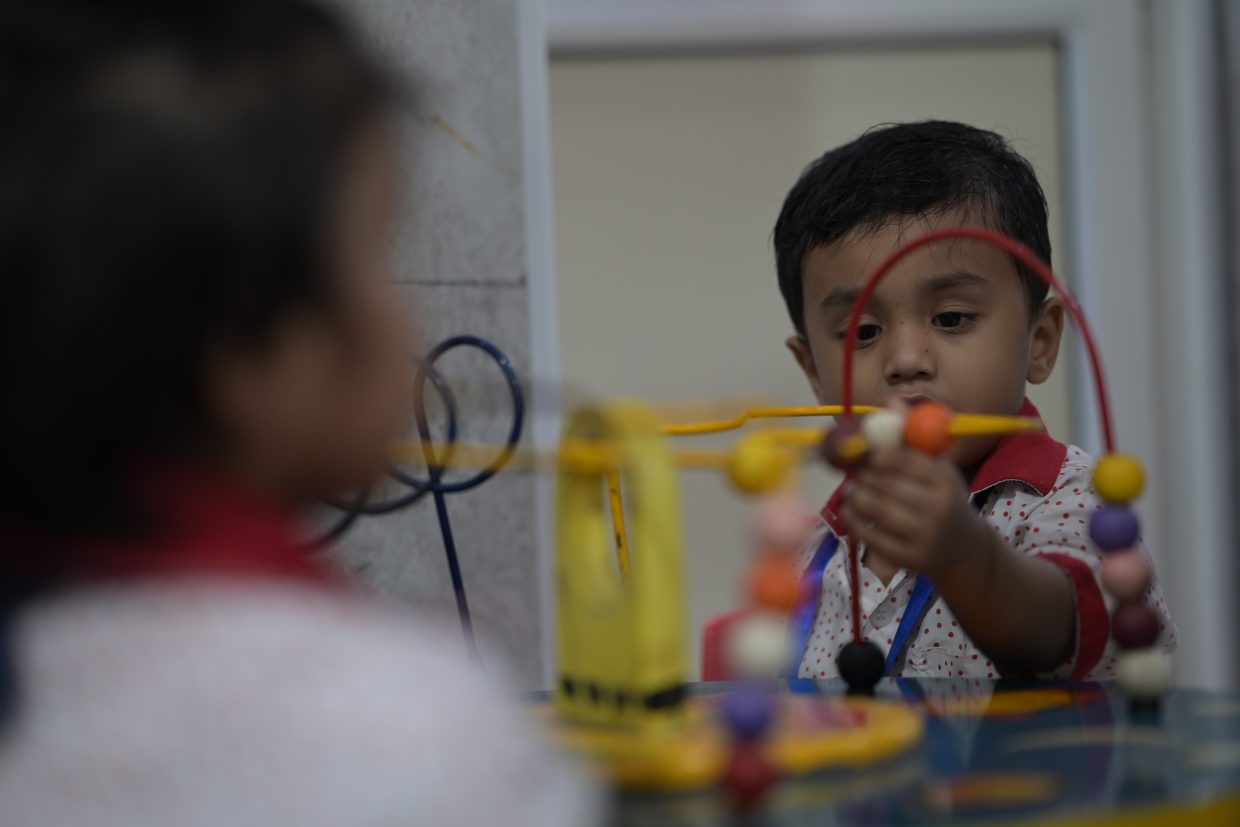
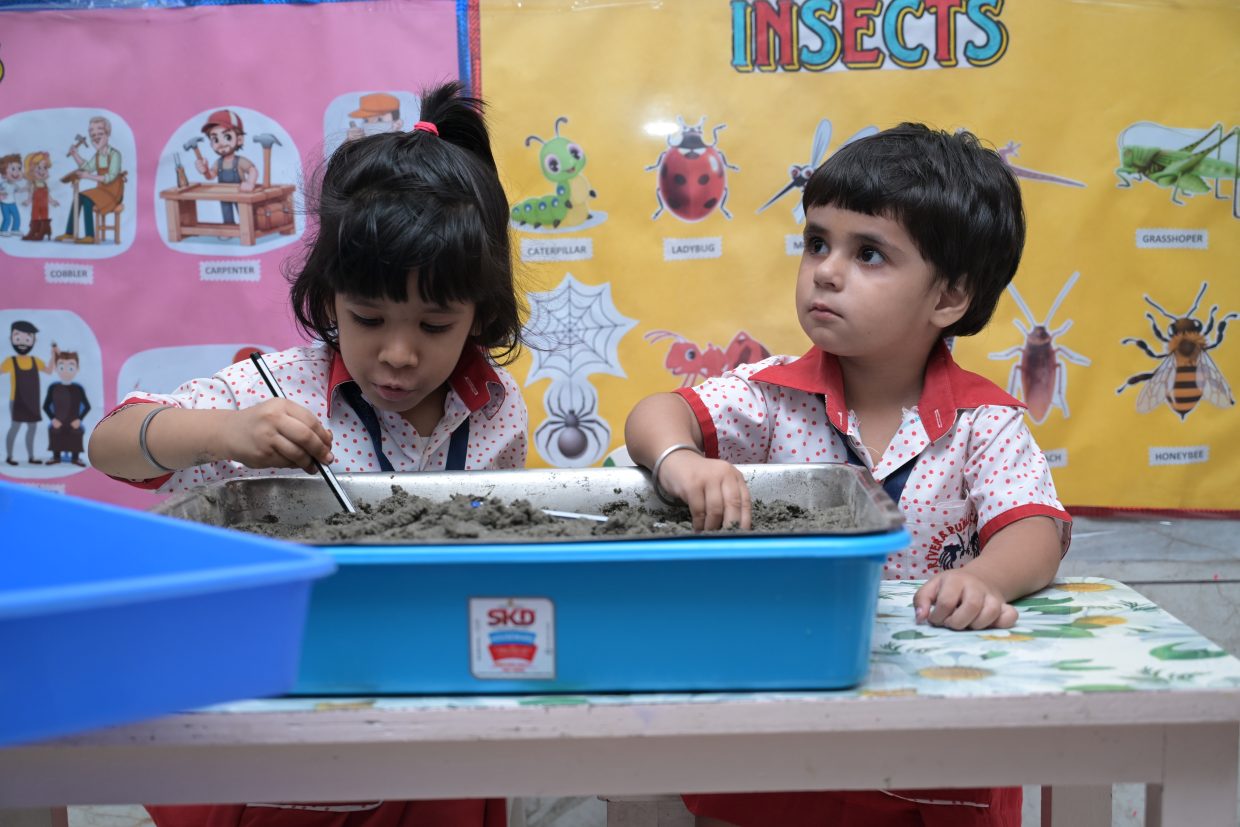
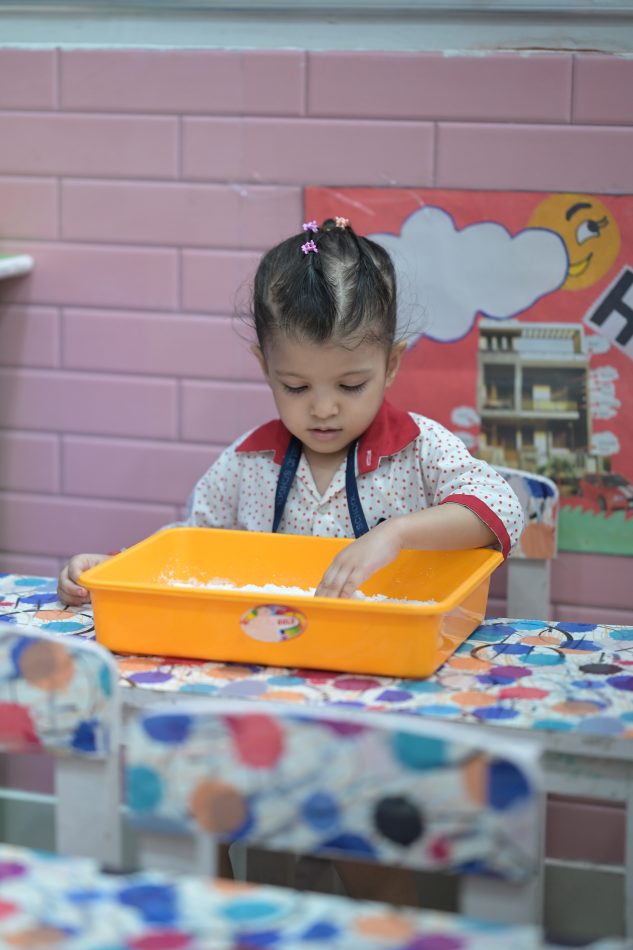
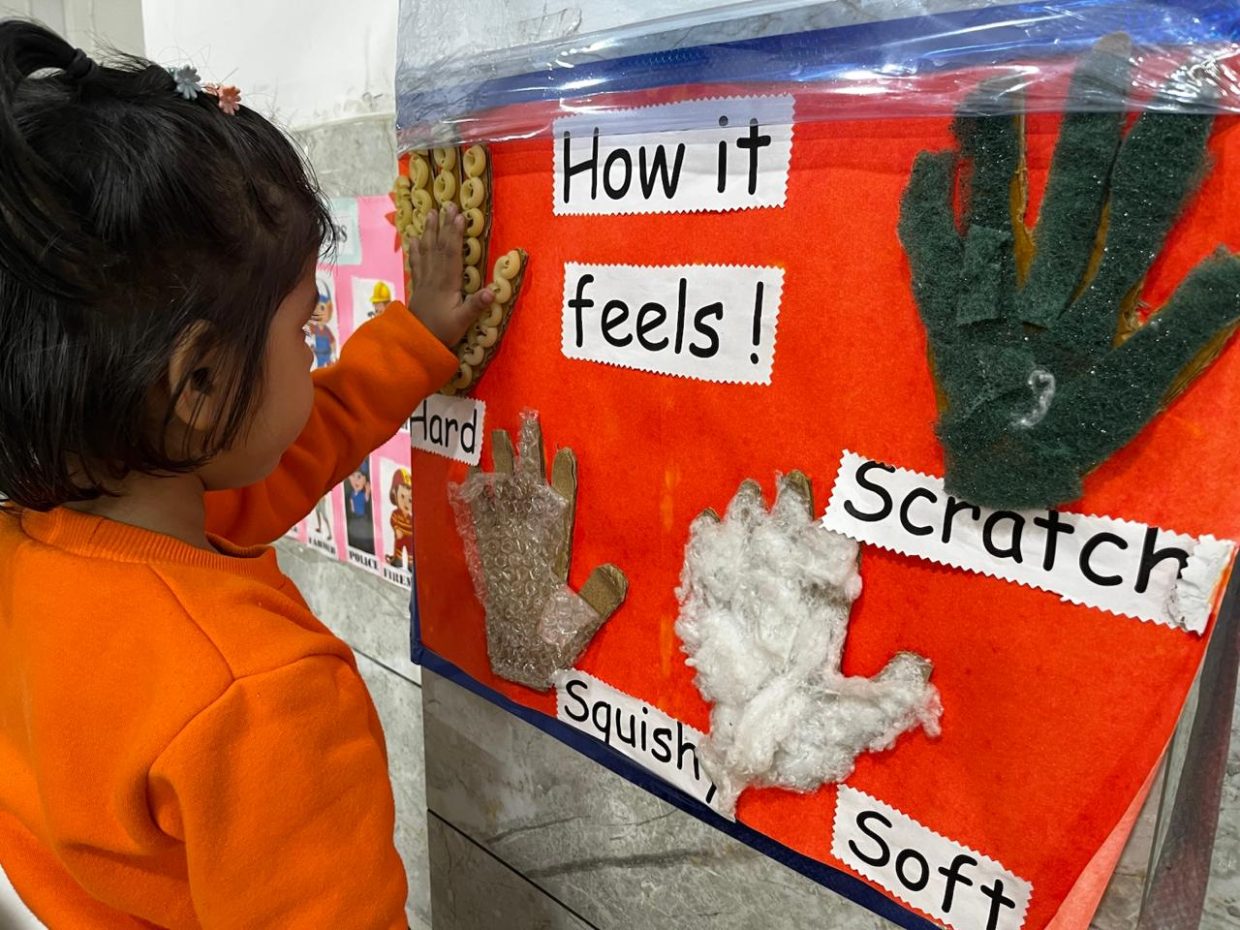
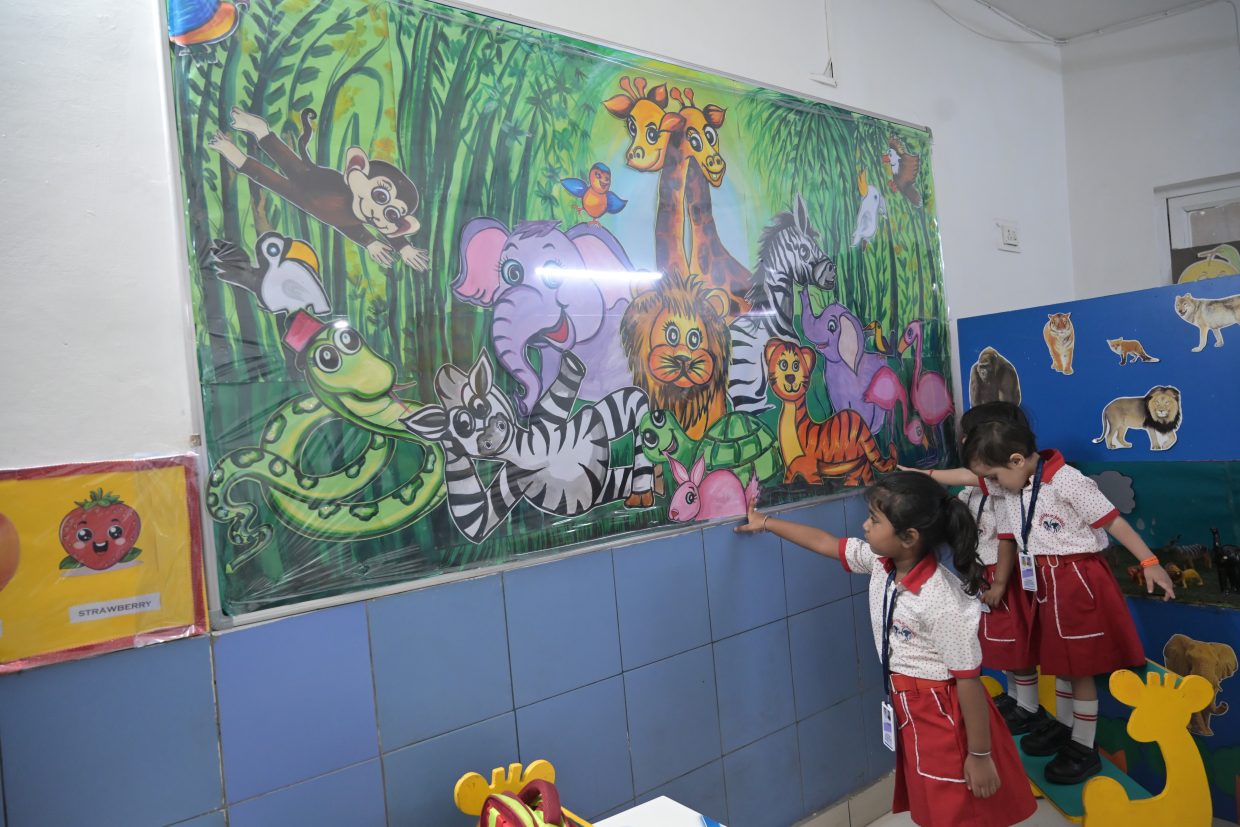
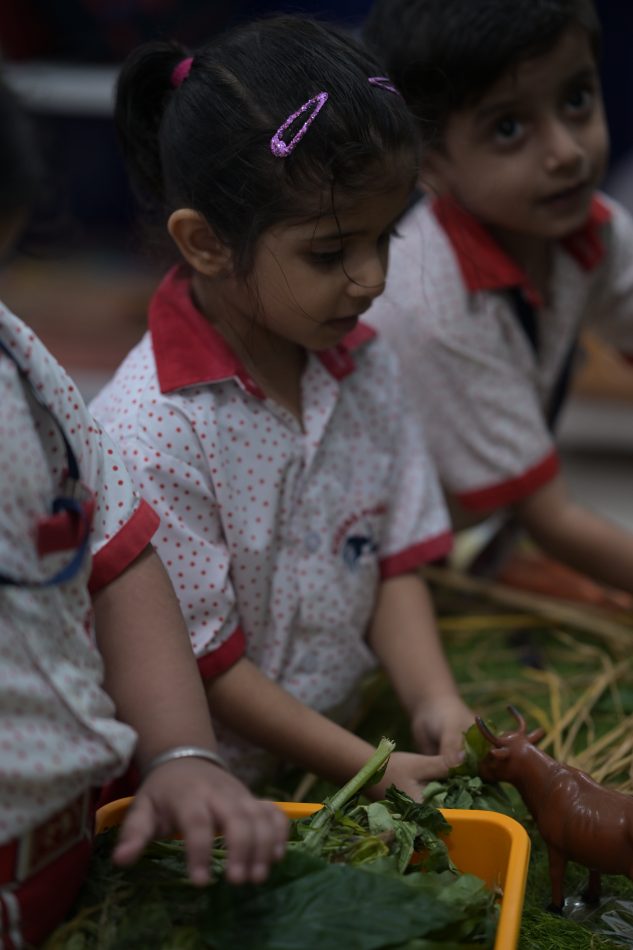
Sensory skills for children help them explore and understand the world through their senses, improving observation, coordination, and learning through touch, sight, hearing, taste, and smell.
Building empathy, cooperation, and teamwork
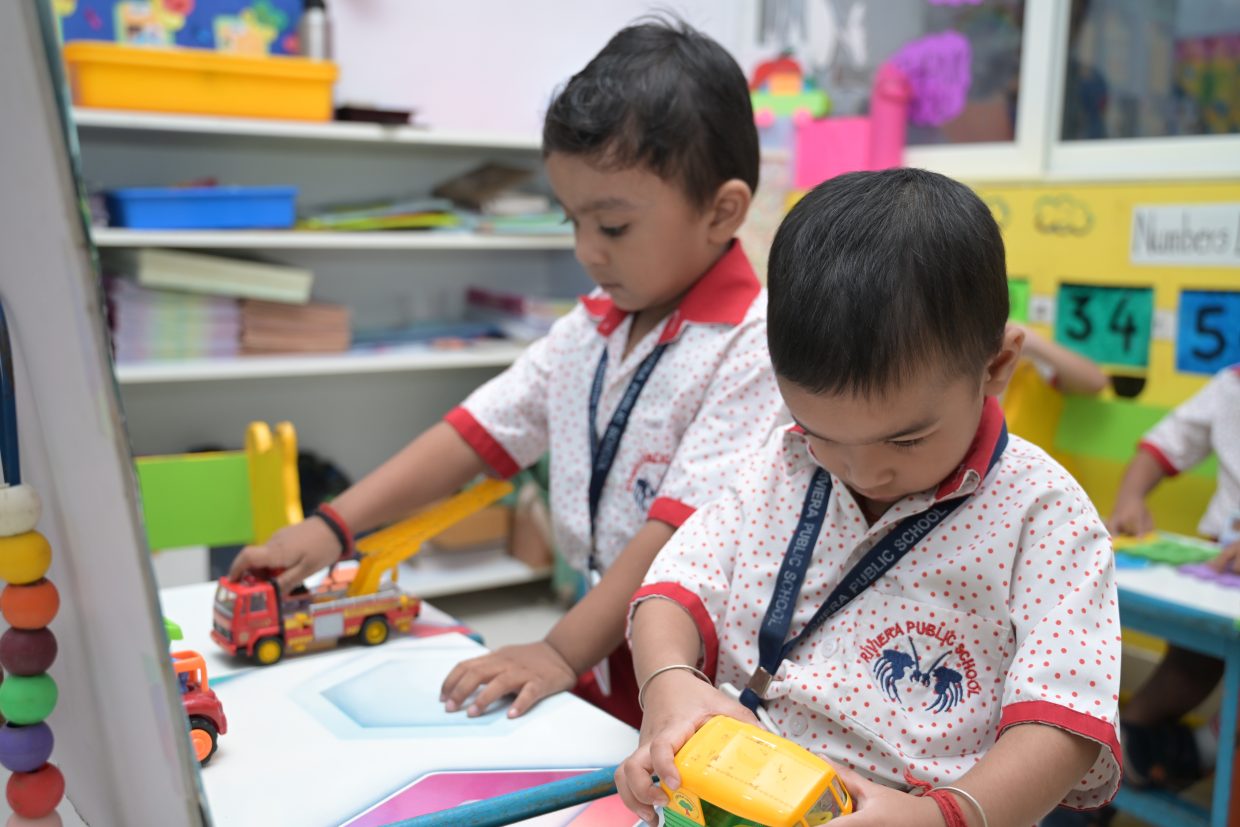
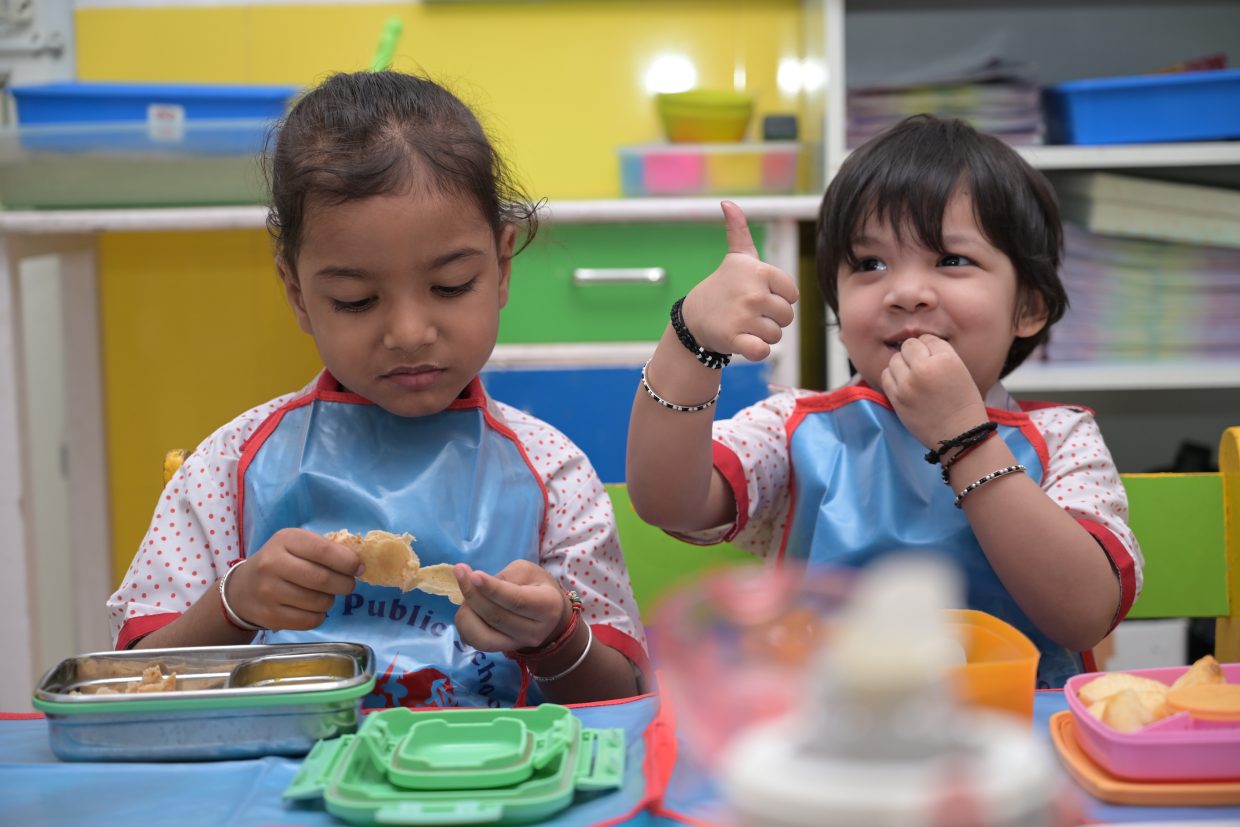
Social skills for children are the abilities that help them interact positively with others. These include sharing, taking turns, cooperating, communicating feelings, listening, showing empathy, and following social rules, which support healthy relationships and effective interaction in social settings.
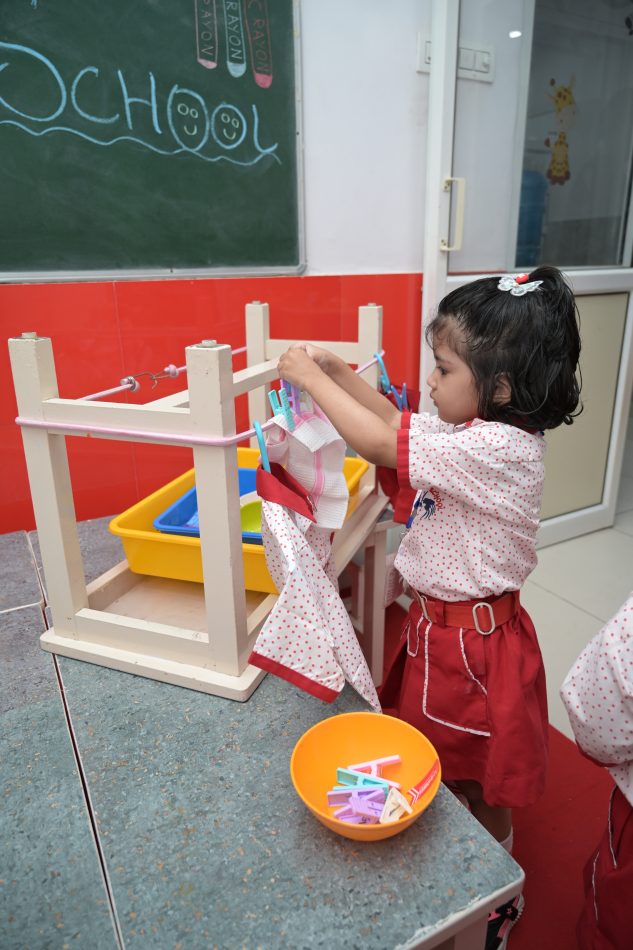
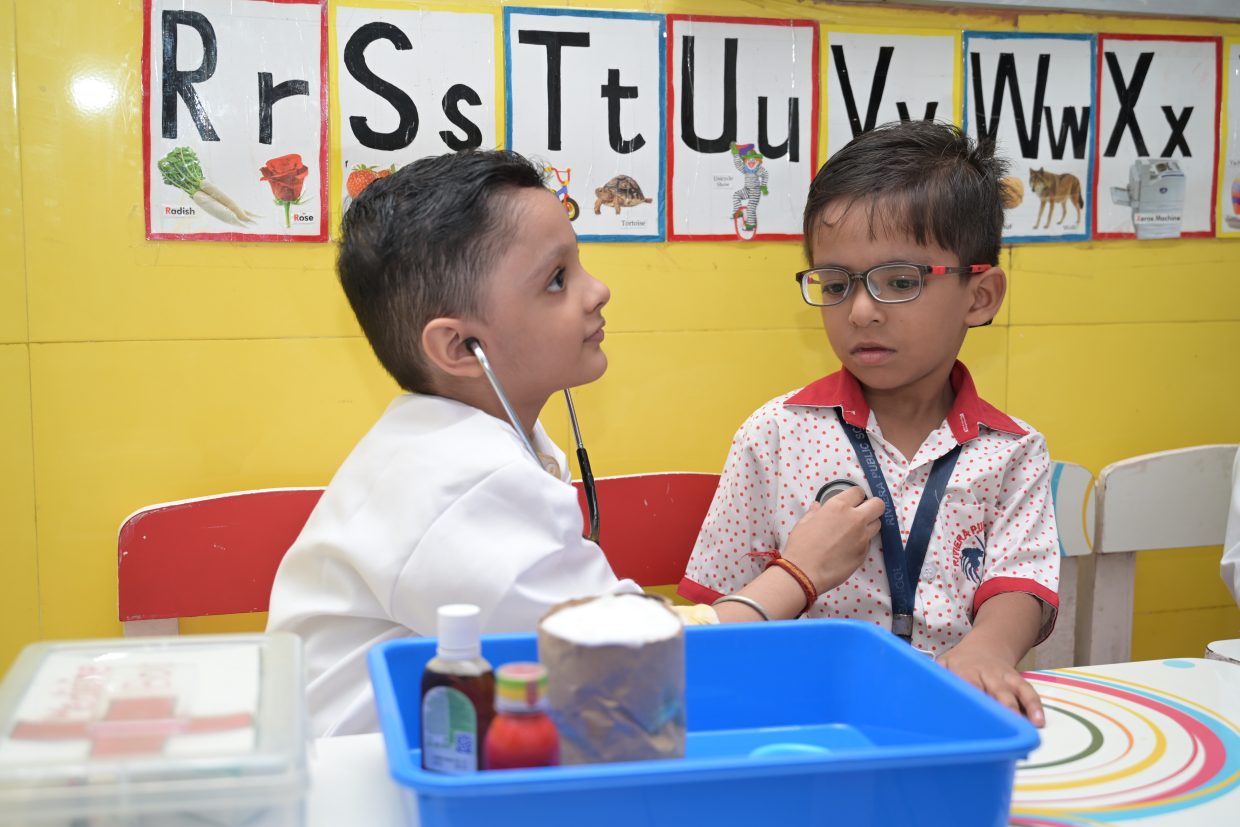
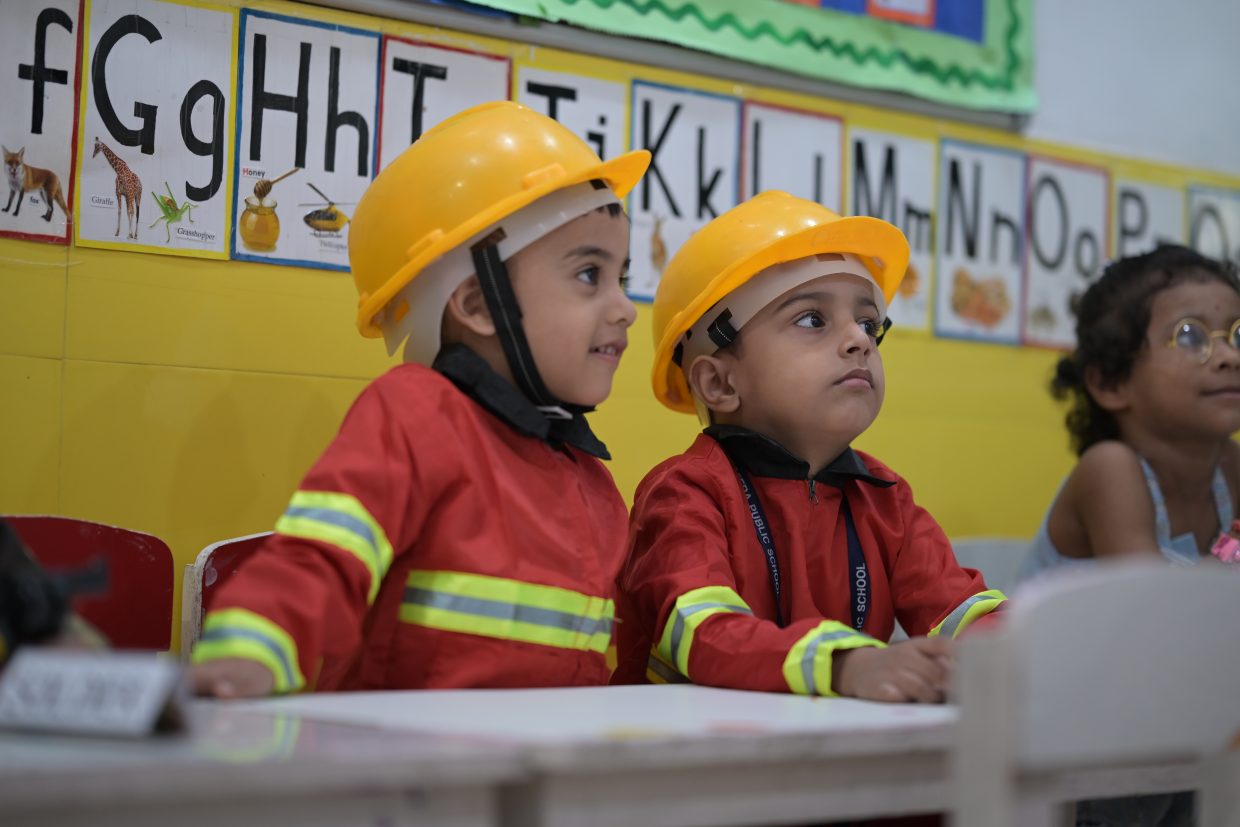
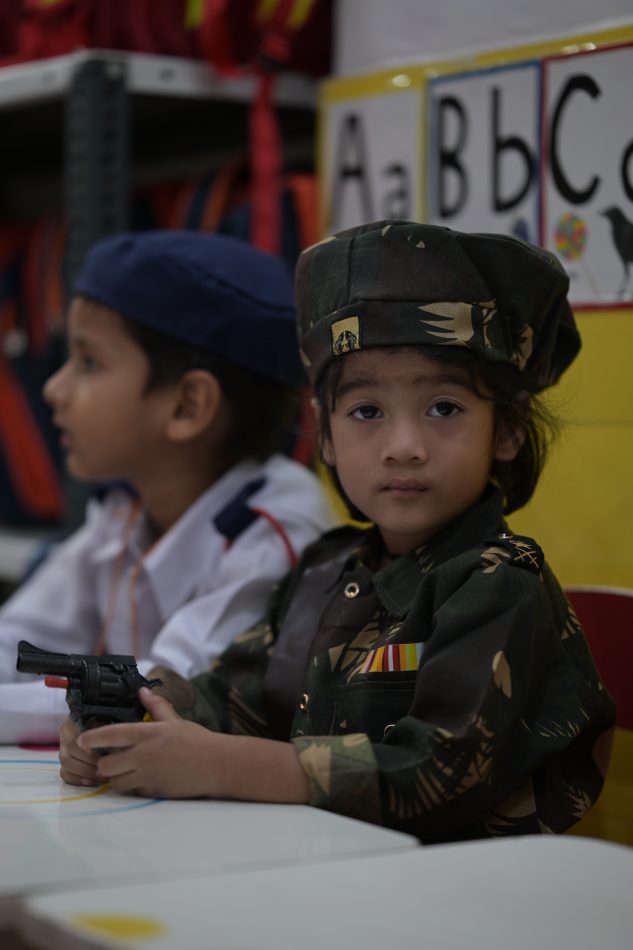
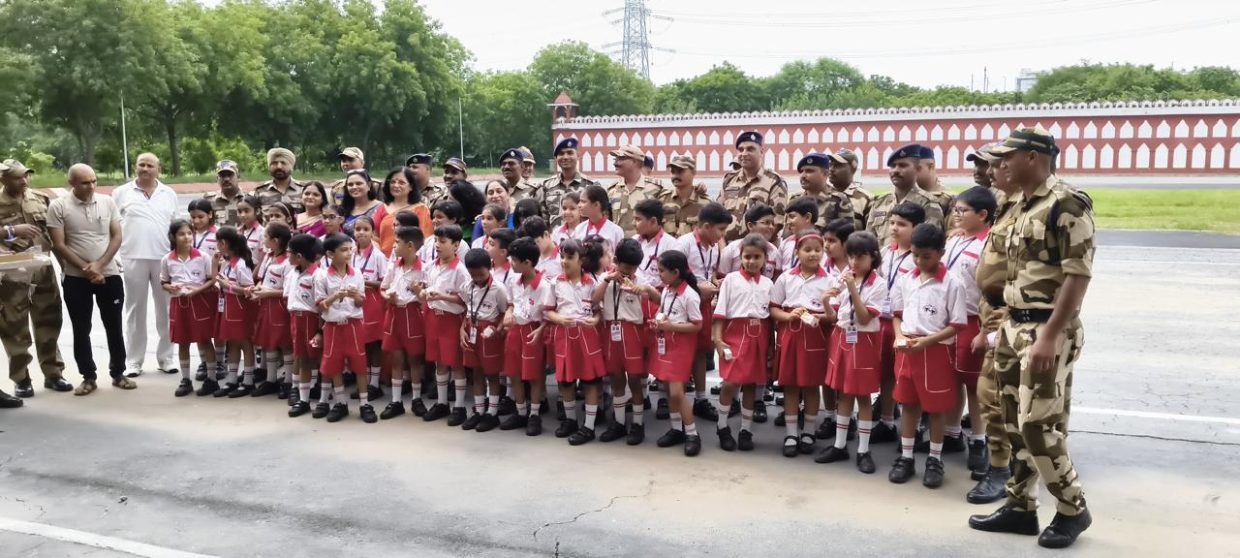
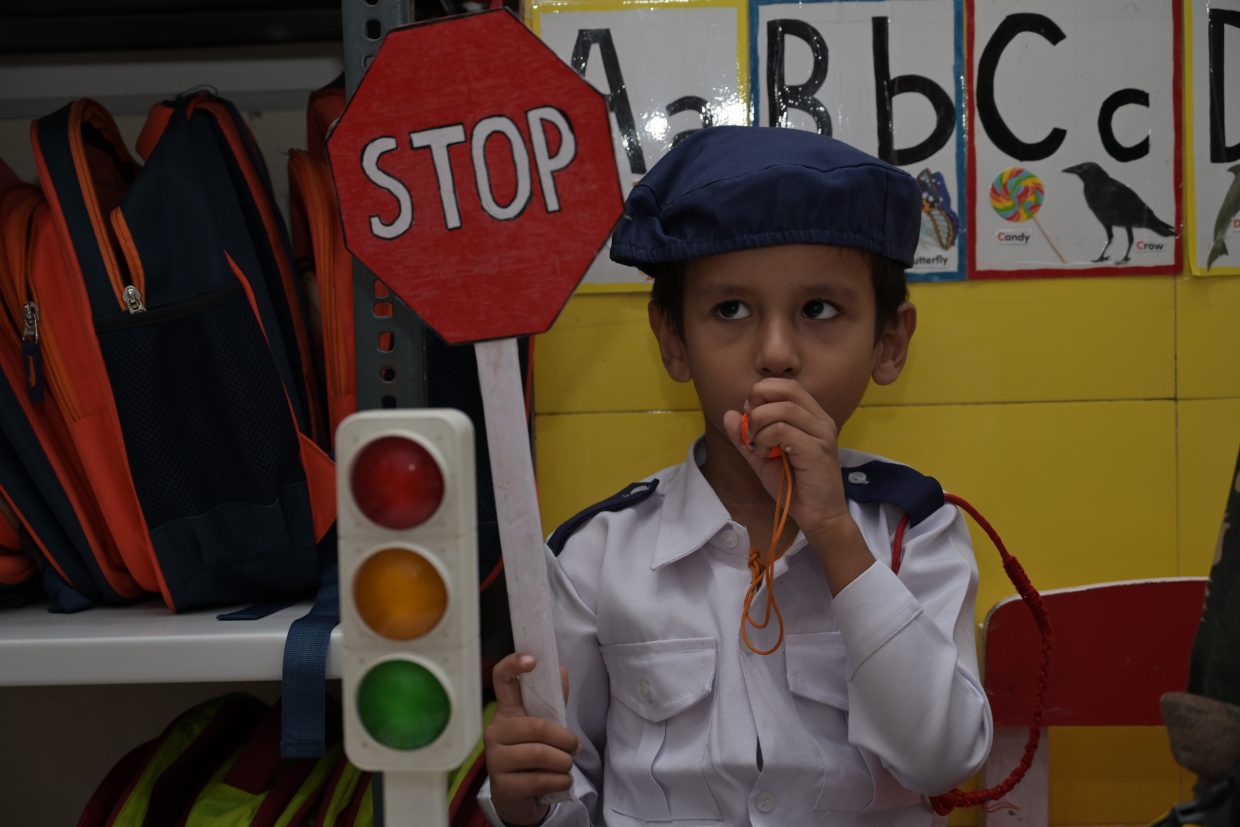
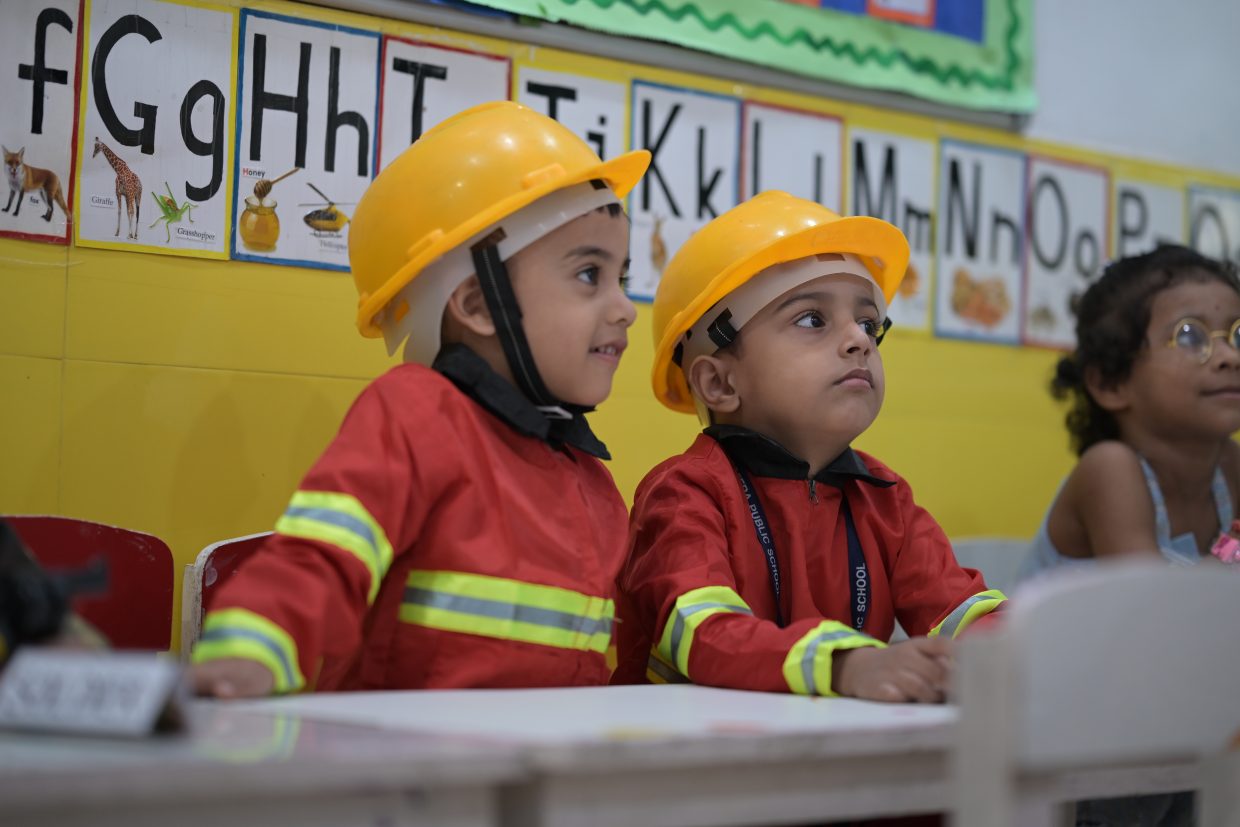
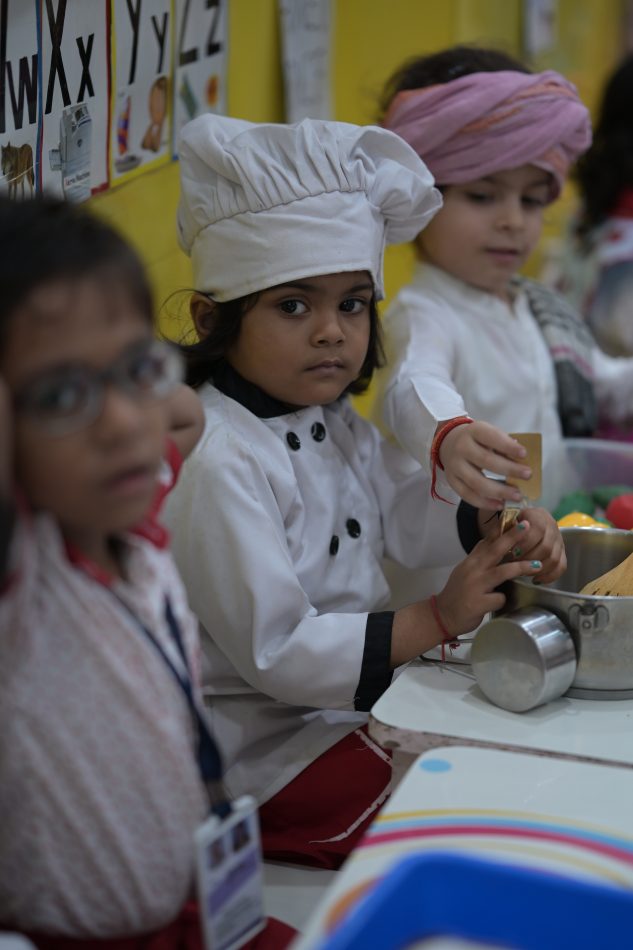
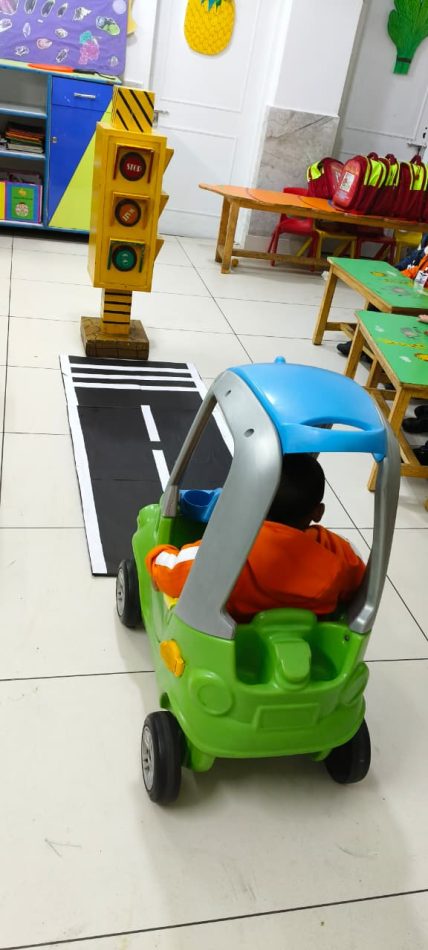
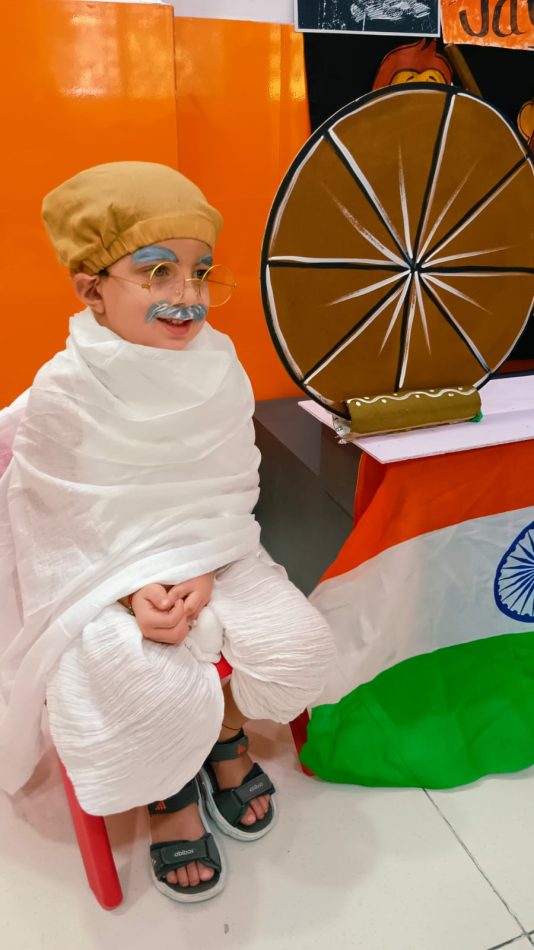
Experiential learning skills for children help them learn by doing and experiencing the world around them. Through hands-on activities, exploration, and real-life experiences such as visits and experiments, children develop curiosity, problem-solving abilities, creativity, and confidence. By providing these opportunities, we encourage them to think, reflect, and apply their understanding in meaningful and practical ways.